During the workshop we talk a little bit about gender identity and gender fluidity but I thought it might make sense to talk about this topic more in depth. Parks, Hall, and Taylor* looked at gender dysphoria (discontent with with biological sex) with individuals with cognitive disabilities and suggest “Developing a gender dysphoria or wanting to cross-dress usually has ramifications for the person’s family and social network, perhaps more so with people with intellectual disability, who may be more dependent on family and paid caregivers and have less choice about who is in their network. They may experience more hostility and gain less appropriate support from their network.” But there is still very little information about how common it is, why for some individuals gender is more fluid (have a wide flexible range of gender expression), and how best to support individuals with disabilities with issues related to gender. This topic also raises issues related to guardianship and self determination. Some individuals start going on puberty suppressants and hormone replacement starting in adolescence so their bodies can match the gender they express and the gender they identify with. For people with disabilities, who gets to make that choice?
Could having a developmental disability lead to difficulties with gender identity?
This is a little difficult to answer. There are very few studies ask this question. In Holland they looked at co-morbidity of ASD and gender disorders * and did find more individuals with ASD coming to their clinic then you would expect. However individuals with ASD may be tapped into to services which might account for this difference. When individuals with disabilities seek support they may be unable to give an accurate history and professionals in this area may be unfamiliar with working with people with disabilities which could lead to false impressions.
Given how little is known, where can I go for more information?
There are new clinical guidelines that address how clinicians should assess and support individuals with autism and persistent gender dysphoria. The new clinical guidelines (there haven’t been any in the past) affirm the right of individuals with autism to obtain gender realignment. It also affirms that many individuals with autism experience gender outside the male-female binary. Check out a reader friendly overview of the guidelines on Spectrum News.
Gender Spectrum is a great place to start looking for more information. This is a website that can link families with medical, mental health, social, and legal services. The have great definitions of all the different terminology and a great overview of gender development.

Here is also a This American Life podcast that features interviews with two little girls who were born as biological males and their families. For me, it was really eye opening and helped me connect this topic to real people.
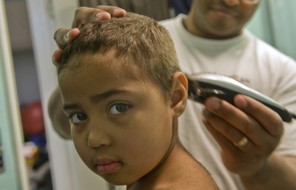
On May 19th the Washington Post published an article on this topic (which I thought was really well done) featuring a little boy named Tyler. The story had almost 2,500 comments 5 days later. They published a follow up article about the response on May 21st, “I heard from transgendered senior citizens who lamented their decades living a lie. I got e-mails from confused parents who had their aha moment when they read Tyler’s story. And sure, I heard from the haters”. This article not only has nice information but also speaks to the relevance and controversy surrounding this topic.

 The Birds and The Bees