Self-Advocacy in Sexual Health Appointments

Pelvic exams and sexual health appointments can feel like a lot to handle. A pelvic exam is when a doctor looks at the vulva and vagina. You can calm your nerves by preparing ahead of time. Setting boundaries beforehand also helps. Speaking up for yourself will make you feel safe, heard, and at ease during your visit.

First, what to expect at a sexual health appointment:

  • Routine checkup
  • Discomfort, pain or mild pressure
  • Talking about birth control
  • Pelvic exam
  • Pap smear
  • Reproductive health concerns
    • Infertility
    • Sexual transmitted infections
    • Pregnancy complications

Before your appointment:

  1. Decide if you want emotional support.
    • A close friend, guardian, or family member offers comfort and support.
  2. Bring comfort items.
    • If waiting rooms make you anxious, bring a fidget toy or a stress ball. A small comfort item can help too. These items can help pass time.
  3. Planning Communication
    • Think about how you want to talk to your provider. You can do this by speaking, writing, or using a patient portal. Let your healthcare professional know your preference.
  4. Adjust the environment.
    • Share your lighting preferences. Should it be bright or dim? This will help you feel at ease.
    • If the noise or lights bother you, you can wait in the car until the professionals are ready for you.

During Appointment:

  1. Write down questions.
    • It’s easy to forget questions you had before the professional sees you. Writing or typing them first helps you cover everything you want.
  2. Visuals
    • A body map is a visual tool, a drawing of a persons body. You can show areas of interest on your body by simply pointing. It helps you show where something can hurt or feel different. It also indicates where something needs to be checked by the doctor.
    • If you’re visiting a doctor focused on private parts or sexual health, you can use the body map. For example, it helps show specific areas of concern. Without needing to use a lot of words.
    • Point to or circle areas you want to discuss
    • Use colors or symbols to show pain (ex: red for pain)
    • Write how it feels (sharp, dull, tingly)
    • Check out this Body map template.
  3. Use resources

To prepare for your sexual health appointment, follow these simple steps. It also ensures that all your concerns are covered and helps you feel at ease. Your comfort and well-being are always a number one priority.
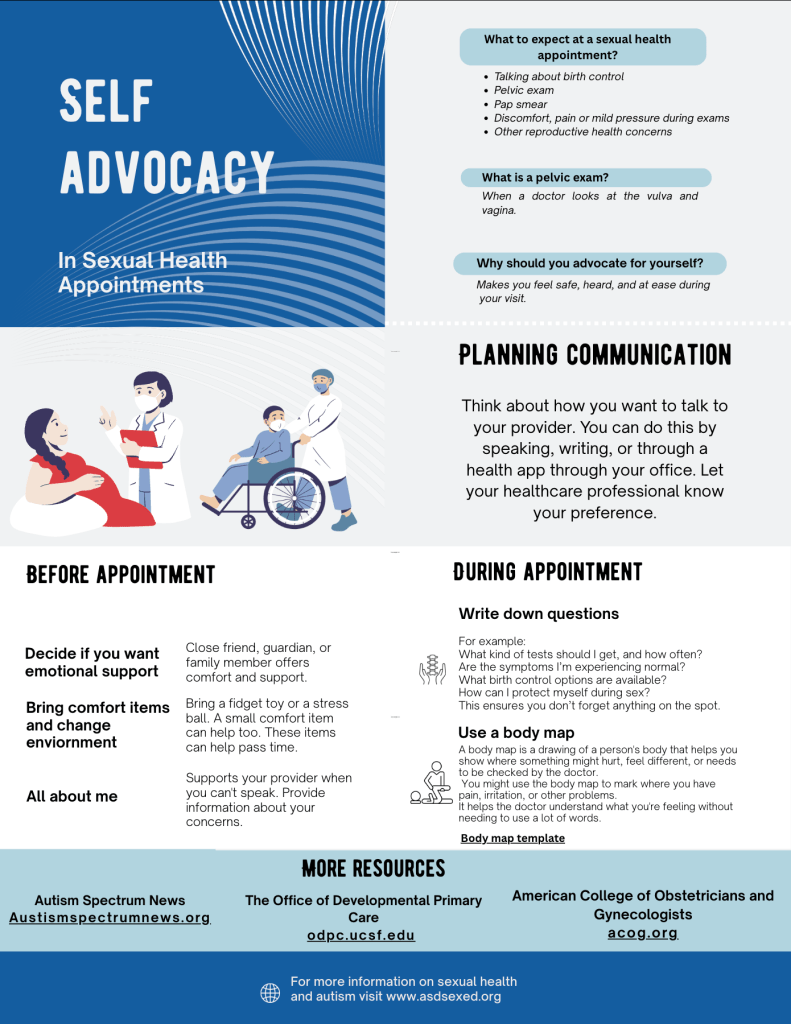
Infographic on self-advocacy in sexual health appointments, featuring a doctor, a patient, and medical staff, with sections detailing what to expect during appointments and tips for preparation.

ASL Sex Education Resources from Planned Parenthood

Last year, Planned Parenthood released a series of 4 videos that cover 4 different topics: consent, body image, identity, and birth control/sexually transmitted infections. These videos are linked below, and are available for free on Youtube. The group of friends in each video communicate in American Sign Language, and closed captioning is available in Spanish and English.

This first video is about consent. Ciara and Dev are getting into a relationship, and Ciara discusses with her friends how to set boundaries without feeling “mean”, by being honest, clear, and kind.

This second video is about birth control and sexually transmitted infections. One of the friends, Ciara, tells Ava that she is ready to have sex with Dev, and Ava and Ciara discuss the steps to follow before having sex. First, they discuss STI testing before having intercourse, and then acquiring birth control. Dev, Em, and Bo also talk about condom use, and Em explains that when at the doctor, they are legally required to provide an interpreter for those that are Deaf or hard of hearing.

This third video discusses identity; sexual orientation, gender identity, and Deaf identity. There is a conversation about pronouns as well as owning a Deaf identity between a group of high-school-aged friends.

This final video discusses body image. Two of the high-school-aged friends in the group struggle with their body image, one of which is also struggling with what to wear to a pool party as a transgender person.

Advocates for Youth – Sex Education Lesson Plans

Advocates for Youth is an organization that is dedicated to improving sexual and reproductive health among adolescents and securing the rights of young people.

Advocates for Youth recognizes that sex education should equip people with tools to make informed decisions about sex and relationships, instead of withholding information and telling young people not to have sex.

The organization works with AMAZE to publish animated videos that provide children and adolescents with accessible and age-appropriate sexual information. More information about AMAZE can be found here.

Advocates for Youth offers a K-12 sex education curriculum specifically for students with intellectual disabilities that includes all of the topics the Centers for Disease Control and Prevention has labeled as essential. The curriculum emphasizes the importance of rights, respect, and responsibility, and covers topics such as gender identity, race, and healthy relationships. This curriculum can be found on the Advocates for Youth website, linked here.

In addition to making efforts to improve sexual education in the classroom, Advocates for Youth hosts virtual and in-person events for people interested in learning more! Some of their previous events involved discussions about STIs, abortion, and consent.

Sex Ed for Self-Advocates

The Organization for Autism Research (OAR) was founded by parents and grandparents. OAR strives to use science to address social, educational, and treatment concerns in the Autism community. Their mission is to fund research, provide useful information and resources to the community, as well as hold programs to improve quality of life for individuals with Autism.

The OAR has put together an online guide for sexuality and sex ed. This guide is self-paced and intended for people on the Autism Spectrum aged 15 and older. This guide consists of nine modules: Public vs Private, Puberty, Healthy Relationships, Consent, Dating 101, Sexual Orientation/Gender Identity, Am I Ready?, Sexual Activity, Online Relationships and Safety. Each module consists of a video overview and 10-15 smaller sections.

This guide is completely free and can be accessed at the link below:

More Info. Less Weird. AMAZE Takes the Awkward Out of Sex Ed

These days, it is hard to find an age appropriate content about sex, dating and abuse. Children have questions about their bodies, gender and reproduction. Teenagers worry if their bodies are developing normally or not while older adolescents struggle with peer pressure, changing relationships and emerging sexual feelings. AMAZE is an amazing website for parents and educators which helps them to expose their child to age appropriate content about sex through short videos. The website provides an insight to young people to successfully understand puberty, healthy body image, distinguish between healthy and unhealthy relationships, concepts of consent and mutual respect. Video topics are designed to meet the learning objectives outlined in the National Sexuality Education Standards.

Parents are the primary sexual educators of their children. By answering children’s questions, a parent let them know that you are “askable” and establishes an open line of communication that will serve you and your children well as they mature into sexually healthy young adults.

AMAZE also has resources for younger children like the parents’ playlist from amaze jr. It is designed to help parents become comfortable and confident talking to their children openly and honestly at any age.

https://amaze.org/

There are some videos for parents reference.

This video will help parents to know when to talk about sexuality with their kids.

Do you think so playing “doctor – doctor” is safe or not? Check this video out which helps you to communicate your thinking and others about this game.

This video will model to the adolescents with disabilities to learn about manage their relationships with person they like or have attractions. This video guide them to deal with peer pressure and make healthy relationship.

This video helps your child to understand their body parts, difference between a male and female, and similarities between boy and girl.

https://youtu.be/wW627gpkWbw

The Healthy Bodies Toolkit

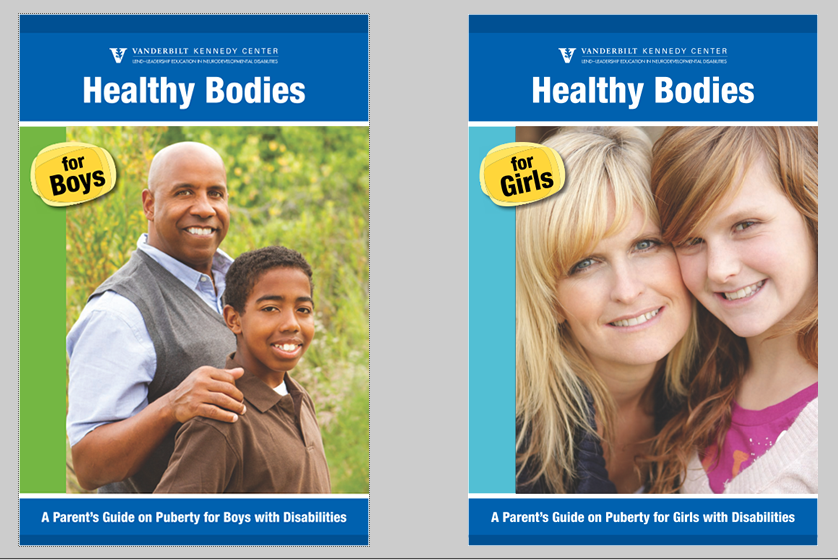
Healthy bodiesThis publication was developed and written by Vanderbilt Leadership Education in Neurodevelopmental Disabilities (LEND).  There is a boy version and girl version.  Each version has a booklet for parents or teachers and supplemental materials which include storyboards and visuals that you can use in implementing the methods outlined in the toolkit.  It is free and there is a Spanish version!

Here is the website: https://vkc.vumc.org/healthybodies/

Adult Human Sexuality Curriculum

These curricula materials are for educators working with young adults. It is a bit more in depth than the high school curriculum and discusses human sexuality in a broader sense.AdultHumanSexuality

High School Human Sexuality Curriculum

This is the session of Human Sexuality 101 was offered by The Autism Program at the University of Illinois Urbana-Champaign. This group was designed for three high school/young adult girls and boys with ASD.   The teens in this group were bright and engaging and have had a little formal exposure to sexuality concepts, but still struggle with the more nuanced facets. Many of these activities could be adapted for groups of various sizes and ability levels.

You can find all of our lesson plans for the high school human sexuality classes here.

HighSchoolHumanSexuality

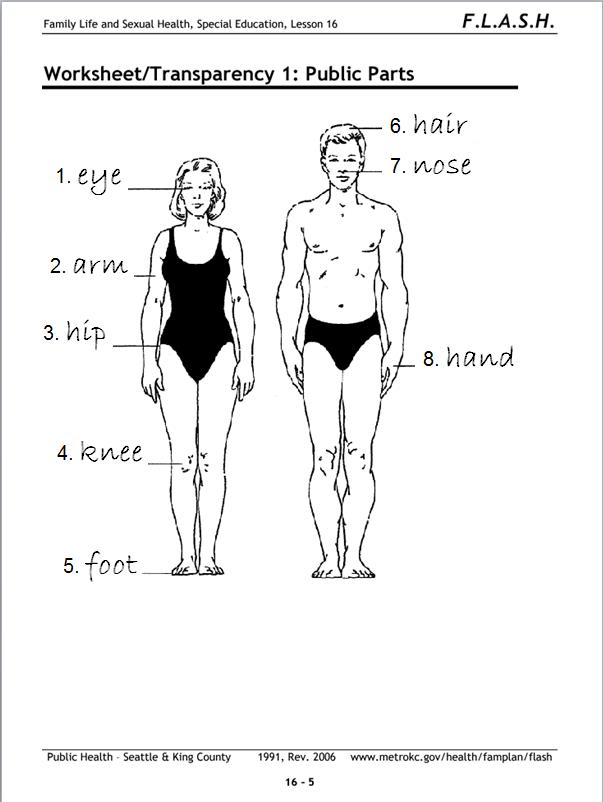
F.L.A.S.H.

flashFLASH is a curriculum that was developed in the Seattle area and was adapted for students with special needs.  It’s free and has some nice lesson plans.  I don’t usually use any of them from start to finish on their own, but it’s a starting place to get ideas.  Did I mention that it’s free?  Many of the lessons have “transparencies” that are in Power Point form.

Free Curriculum and Parent Resources

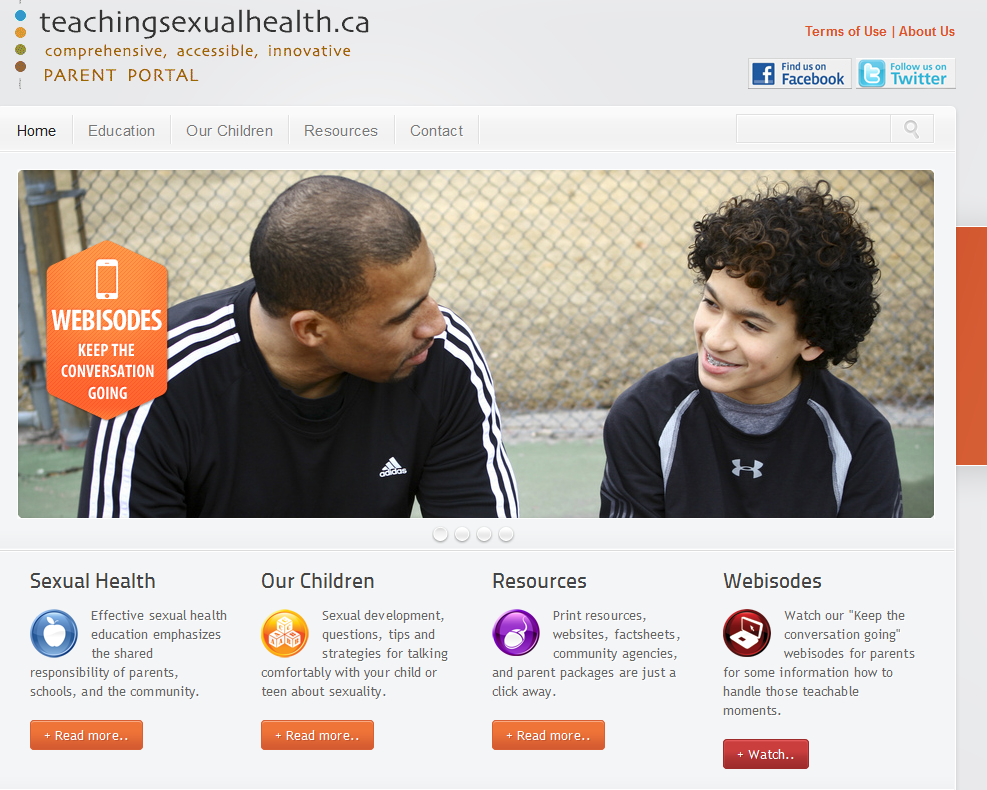
A lot of the curriculum we used for the puberty unit of our Human Sexuality 101 group was adapted from “Teaching Sexual Health“.  They are a group out of Canada that provides support for teachers and parents.  I used their general curriculum but they also have a curriculum for students of differing ability levels.  They have great resources for parents including “webisodes” that give examples of parents talking to kids about sexuality topics.  The website is very well organized and easy to use!

Image

Free Curriculum- Parent Version, Teacher Version, Spanish Version

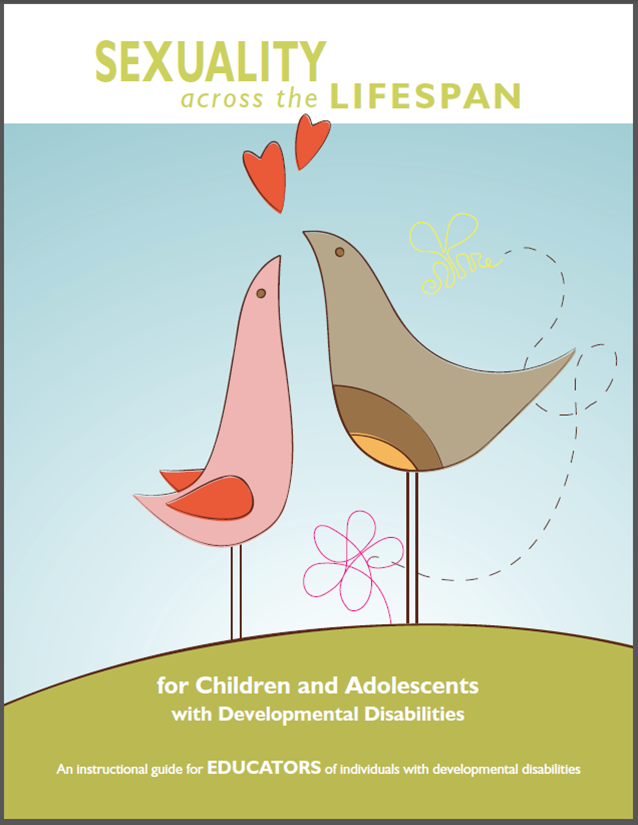
ImageI’m really excited about this free curriculum, “Sexuality Across the Lifespan” by: DiAnn L. Baxley and Anna L. Zendell.  It has versions for educators, teachers, and Spanish speakers.  You can view the curriculum by clicking on the links below.

What makes this special?  They do a nice job at adjusting lessons for different age groups, giving ideas for supplemental activities, and giving ideas for incorporating the topics into routines.  The parent version really focuses on how to reinforce healthy sexual development through interactions and daily routines.

This curriculum in not comprehensive but does have sections on social skills, dating, sexual abuse, puberty, and anatomy.  I hope you find this useful!

Introduction to Sexuality Education for Individuals Who Are Deaf-Blind and Significantly Developmentally Delayed

I found this great (free) book online.  Although it targets parents, caregivers, and professionals who work with individuals who are deaf-blind and significantly developmentally delayed- you may find useful info even if this not your target population.  Kate Moss & Robbie Blaha’s overall approach to education considers four basic tools for instruction: routines, units, teachable moments, and behavior plans.  Chapters include …

Chapter 1 – Introduction
Chapter 2 – Sexuality Education
Chapter 3 – Developing an Instruction Plan
Chapter 4 – Modesty
Chapter 5 – Appropriate Touch and Personal Boundaries
Chapter 6 – Menstruation
Chapter 7 – Masturbation
Chapter 8 – Sexual Health Care
Chapter 9 – Sexual Abuse

I just want to highlight a couple of things I found particularly useful.  They provide instructions for developing a sexual education policy and provide a model policy as well as sample permission forms.  I also thought that their plan for supporting with menstruation was well thought out and useful.

There’s also the Texas School for the Blind and Visually-Impaired’s website, which offers some strategies for supporting and educating visually impaired individuals about many topics such as gender roles, social skills, personal safety, gender identity, sexual language, masturbation, and reproductive anatomy.