This activity can be used to teach about different intimate activities, either alone or with a partner. All of the actions come in a word list form and in a visual form. The activity includes a continuum worksheet in which activities can be classified as “less intimate” and “more intimate”.
One way to use this activity is to teach what sex is. We often assume that people understand what sex is, but people have difficulty with understanding sex even when it is explained. First list the acts of intimacy in a continuum and then discuss “where sex starts” or “which activities are sex and which ones are not. This is more difficult than it seems. For example, it is not uncommon for students to start with thinking that “kissing above the waist over the clothes” is sex. When we teach this activity, we encourage students to express their own understanding of what is more or less intimate but because the concept of a spectrum is difficult, we guide them at the anchors of what is the most inmate and least intimate. By seeing sex in the context of different sexual activities it helps fill in some of the gaps.
Instead of a continuum you could use categories- the categories we use help reinforce the idea of a continuum as well. There is also a list of different levels of intimacy that can be used to classify these activities. Using the activity in this way is consistent with the concept of postponement- postponing intercourse until a relationship is more serious of formalized.
Sometimes when people see all the different acts of intimacy they are surprised but it is important to be inclusive of all different forms of sexual expression. We also don’t use all the different acts with every group, but we’ve given you a pretty comprehensive list that you can tailor to meet your student or child’s needs.
Download the intimacy activity intimacy activity pictures or with just words.
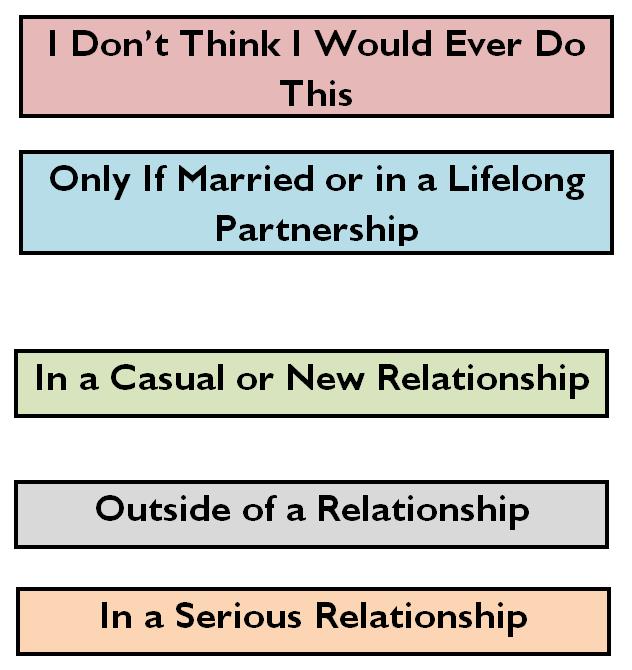
Levels of Intimacy
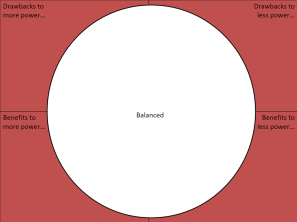 The focus of week 6 was to better understand power relationships. During this week, the participants worked together on a activity that helped them to learn about power and control in relationships and specifically the benefits of having more power, benefits of having less power, drawbacks to having more power, and the drawbacks to having less power. The main concept that we were teaching with this activity is that there should be a balance when it comes to power. We first brainstormed ideas on what it meant to have power in a relationship. After that, the participants discussed how different situations could be red flags that a relationship is not safe and we had them place those on the outside of the circle. We superimposed a circle onto our original brainstorming to reinforce this concept (using the powerpoint project and a dry erase board).
 The Birds and The Bees