 ABC just did an article about teaching human sexuality to students with intellectual disability. They focus on a New York school that has incorporated teaching sexuality into their mission. One of my favorite lines from the article is that “Sex ed is not a goal, but a process.” They mention in the article that New York City schools mandate sexuality education and I just wanted to comment on this, based on my experience in Illinois.
Although there is not specific information that addresses the willingness of school administrations to offer comprehensive sexuality education to individuals with ASD, there is information available for offering this type of education in general. As part of the Affordable Health Care Act federal funding was opened up for comprehensive sexuality education called PREP- Personal Responsibility Education Program as well as Title V- abstinence only education meaning that states get to choose the type of sexuality education offered and may offer both (SIECUS, n.d.). For fiscal year 2010, 43 states applied for PREP funding which means their sexuality education must cover abstinence, contraception use, healthy relationships, adolescent development, finical responsibility, educational and career success, and healthy life. Until PREP funding was aproved funding was only available for Title V abstinence only education.
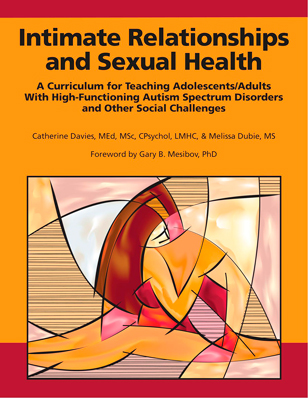
Even if comprehensive sexuality education is being offered in the schools, that does not mean it is being offered to individuals with disabilities. Under the Individuals with Disabilities Education Act, students with Individual Education Plans have access to adapted general education curriculum. At this point, my understanding is that, in Illinois this means a student can participate in a general education sexuality class room unsupported, with an aide, or opt out. If the student (or more accurately, the student’s guardian), opts out, then the child’s special educator is required to adapt the curriculum with parental permission. There are no standards for what that adaptation must cover. Teachers may be working with professionally developed curriculum for individuals with disabilities, independently adapting a general education curriculum, or may be creating their own curriculum from scratch. Due to the diverse needs and strengths among individuals with students with disabilities there may be great variability in how long it takes to cover various topics, to what depth topics can be covered, and what further adaptations may be needed.
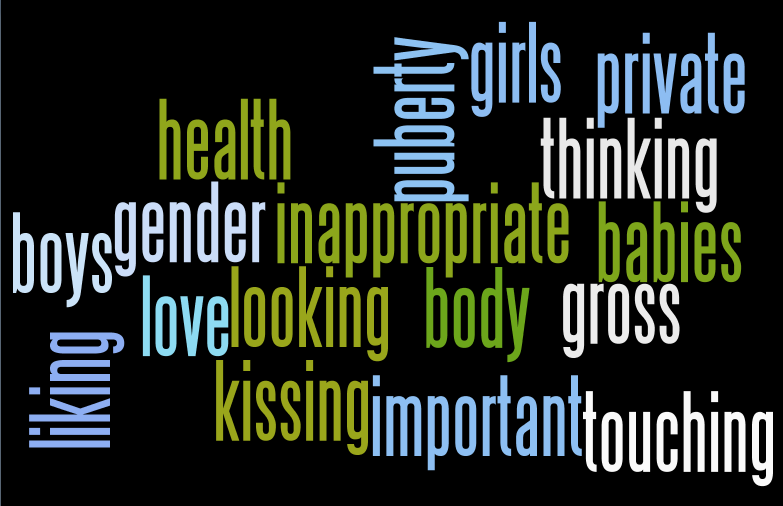 For the final session of Human Sexuality 101 we reviewed what we learned during the class. Overall, students seemed to enjoy the class and learn something. The students also seemed to like each other. Sexuality is a social topic, so I was excited that students were able to share and connect throughout the class.

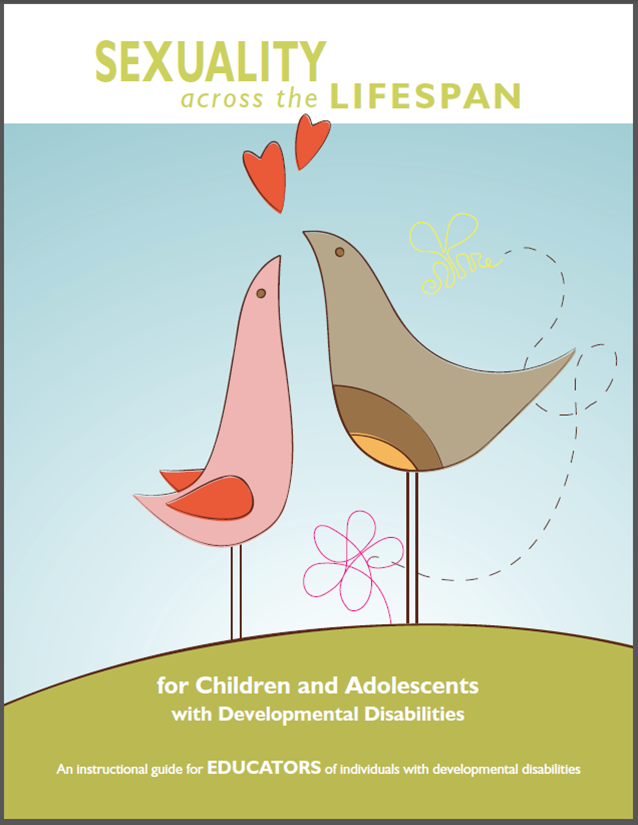
 The Birds and The Bees