High School Human Sexuality 101 Week 4- Crushes

 During week 4, we focused on understanding crushes.

There were three activities for the participants this week:

Crushes

What is a crush? 

The participants first brainstormed things that a person with a crush might feel or think. Participants had different levels of understanding on what having a crush meant to them. The purpose of this activity was to help the participants to understand that crushes are a special set of thoughts and feelings about another person. We later discussed thoughts and ideas that the group may have that may be unsafe when it comes to having a crush.

How to deal with a crush?

We used three videos to help the participants to understand how to deal with a crush. The videos covered these topics: What if you like a friend, How to tell if a guy likes you, and How to get a guys attention. These videos give concrete ways to deal with a crush.

Turning someone down

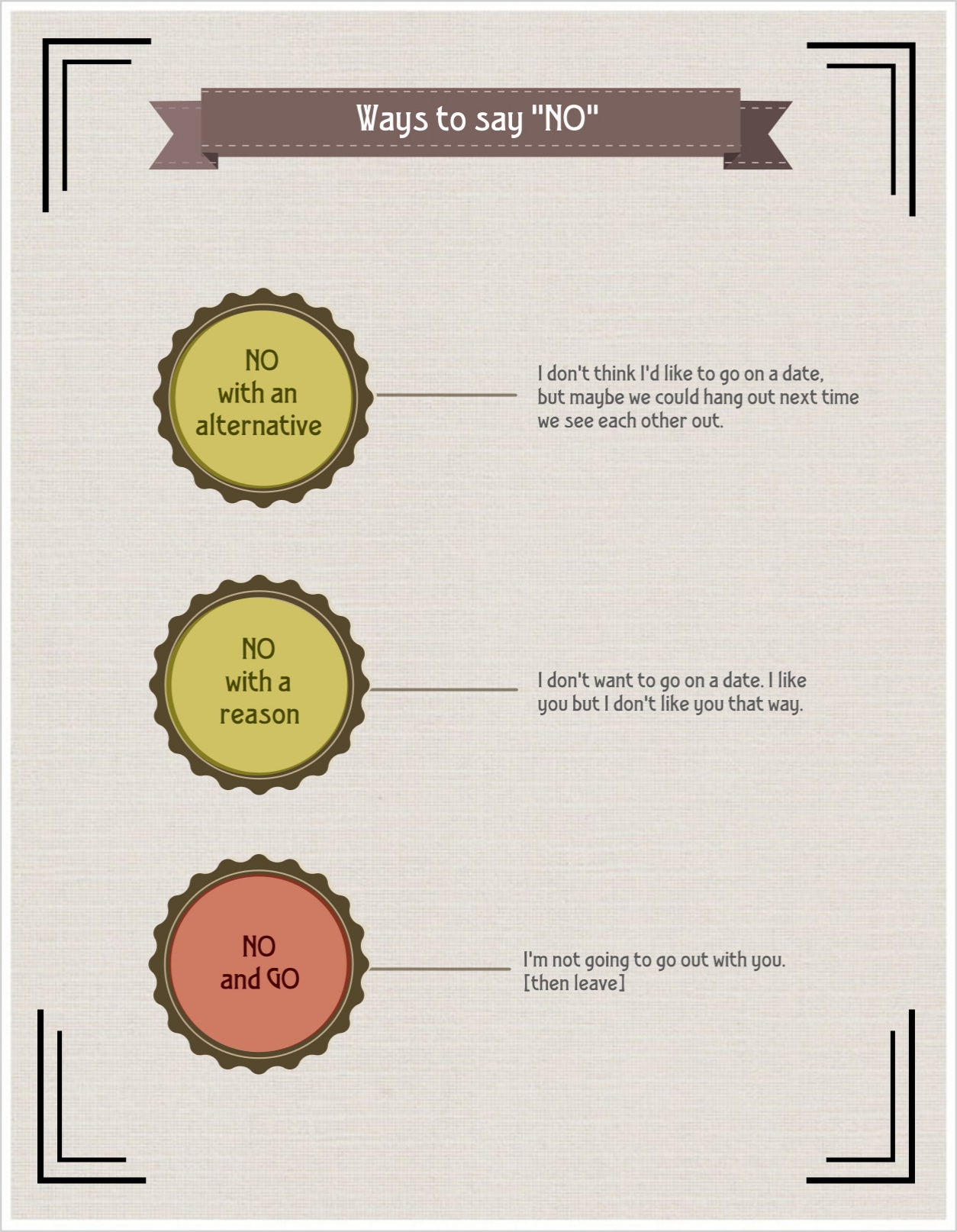
We used a video about how to say no to deal with a variety of situations when it comes to turning someone down.

For more information and activities on crushes visit our Human Sexuality 101 Week 5- Crushes and Adult Human Sexuality Week 3- Crushes curriculum

This Week’s Material

Week 4 Powerpoint

Puberty Videos for Boys & Girls

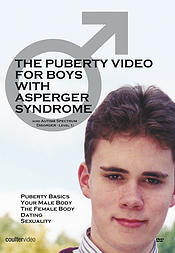
DVDB101_outHere are videos that were developed for 10 – 17 year olds on the autism spectrum regarding puberty & other sexuality topics.  They are clear, concrete, and move through the material slowly (this is one of the biggest problems with videos for a general audience- they go too fast!)

My favorite thing about the videos is that the male instructor is an individual with autism.

All of the videos can be found on www.coultervideo.com, a website that sells videos by Dan & Julie Coulter.  Dan & Julie are parents of a son with ASD who started creating educational videos on their vacation and now do it full time.

Videos that may be useful:

Adult Human Sexuality Week 3- Crushes

Where do you meet_1why notice_2to talk or not to talk _3approach _4Intersted or not _5road map _6say no _7

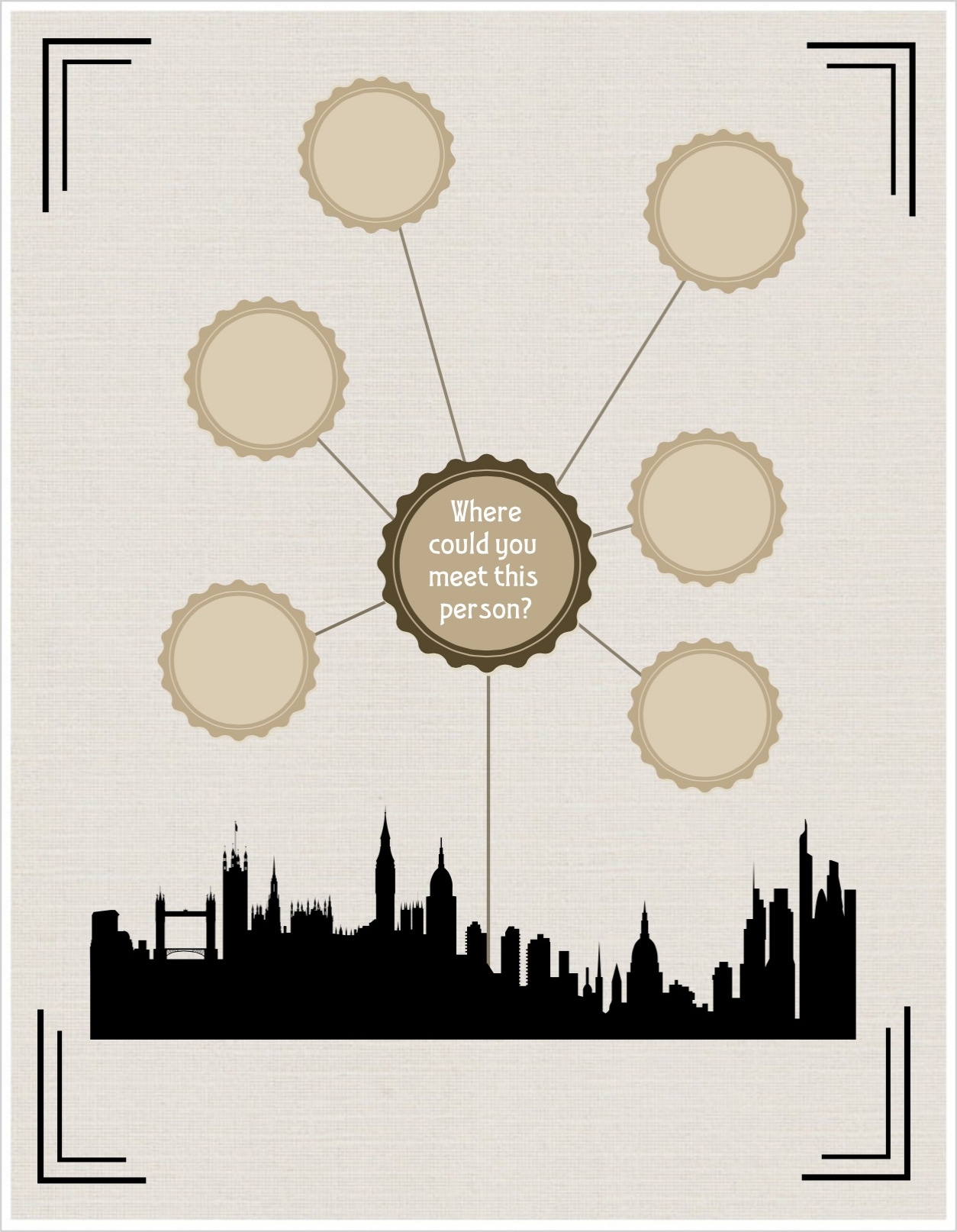
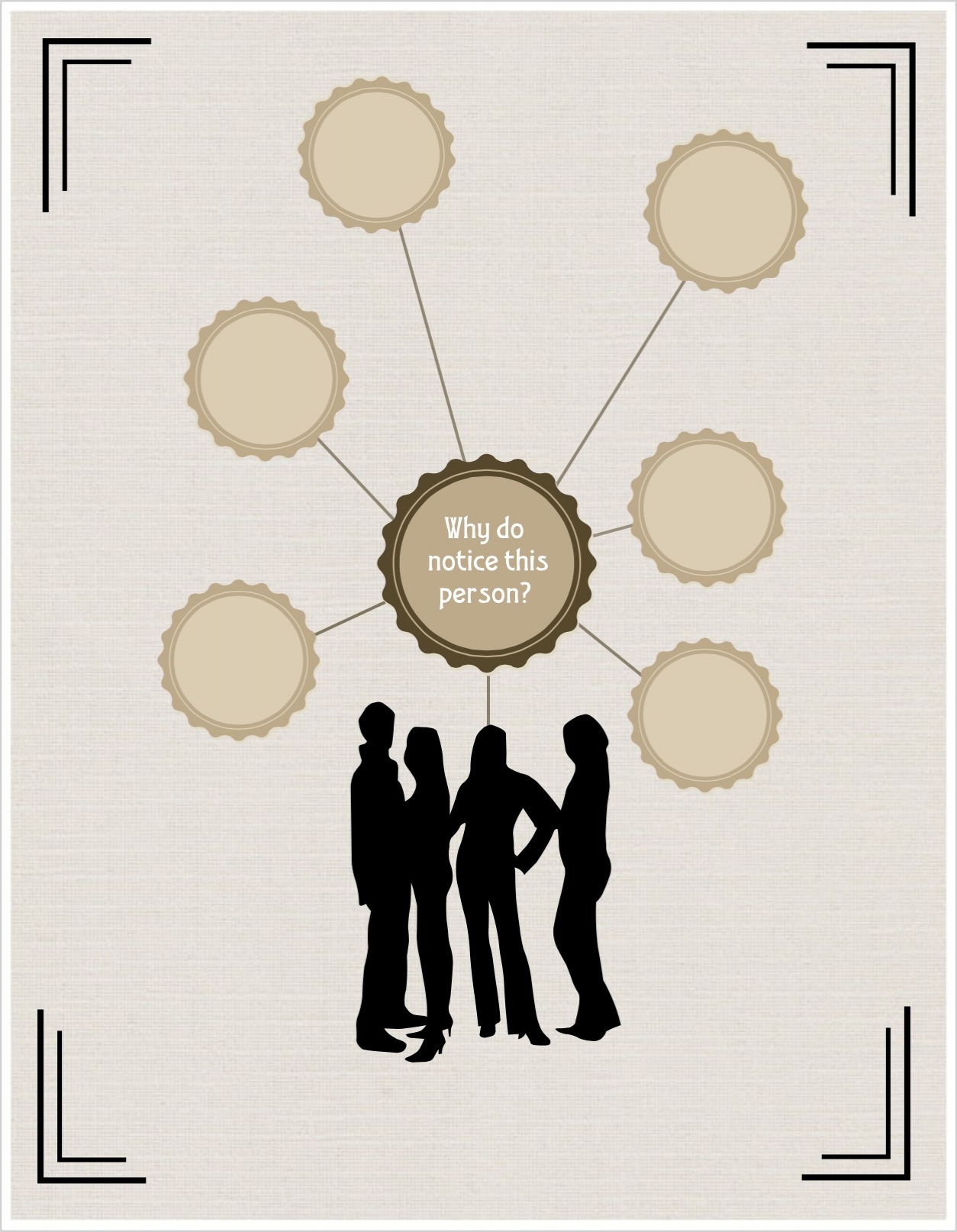
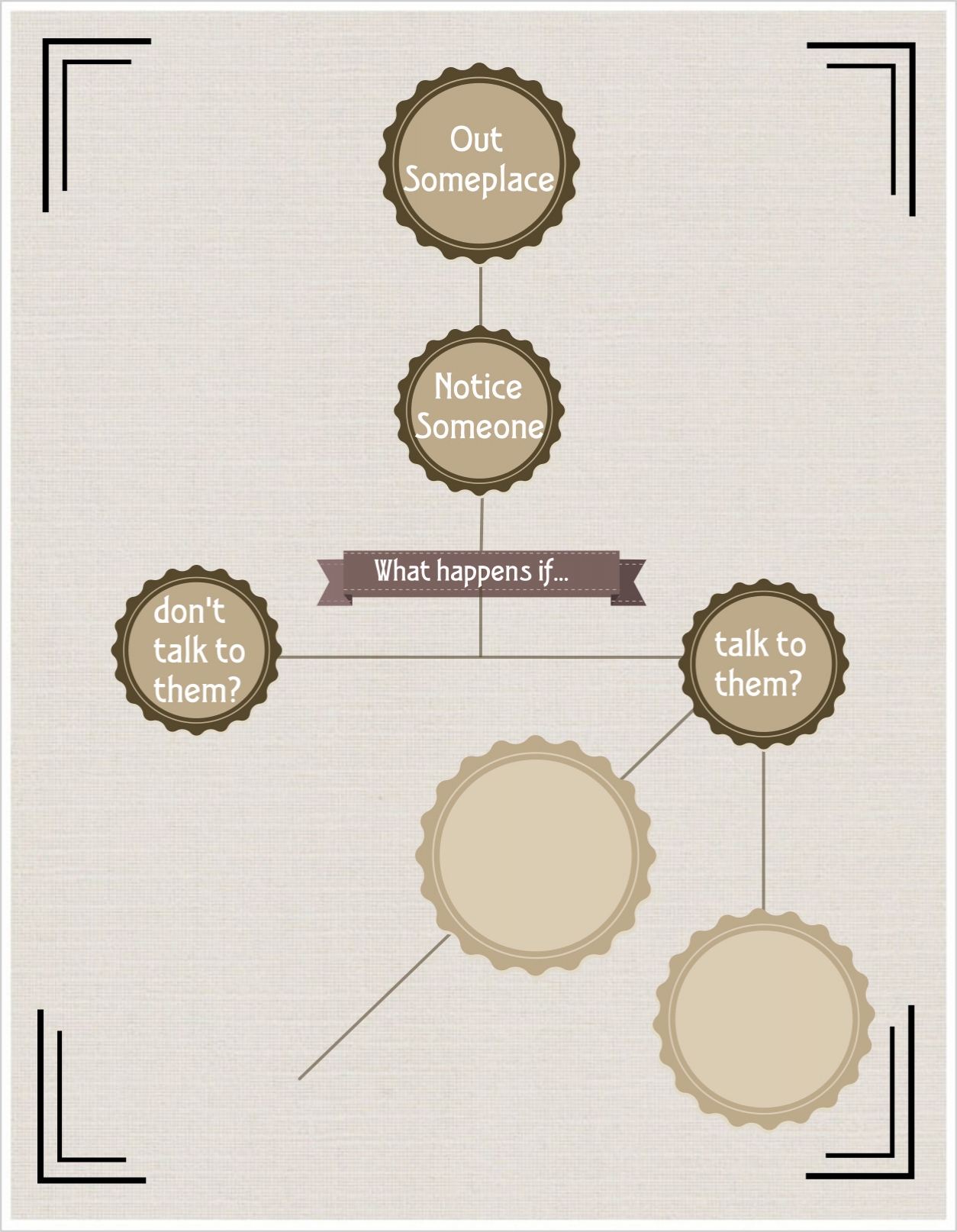
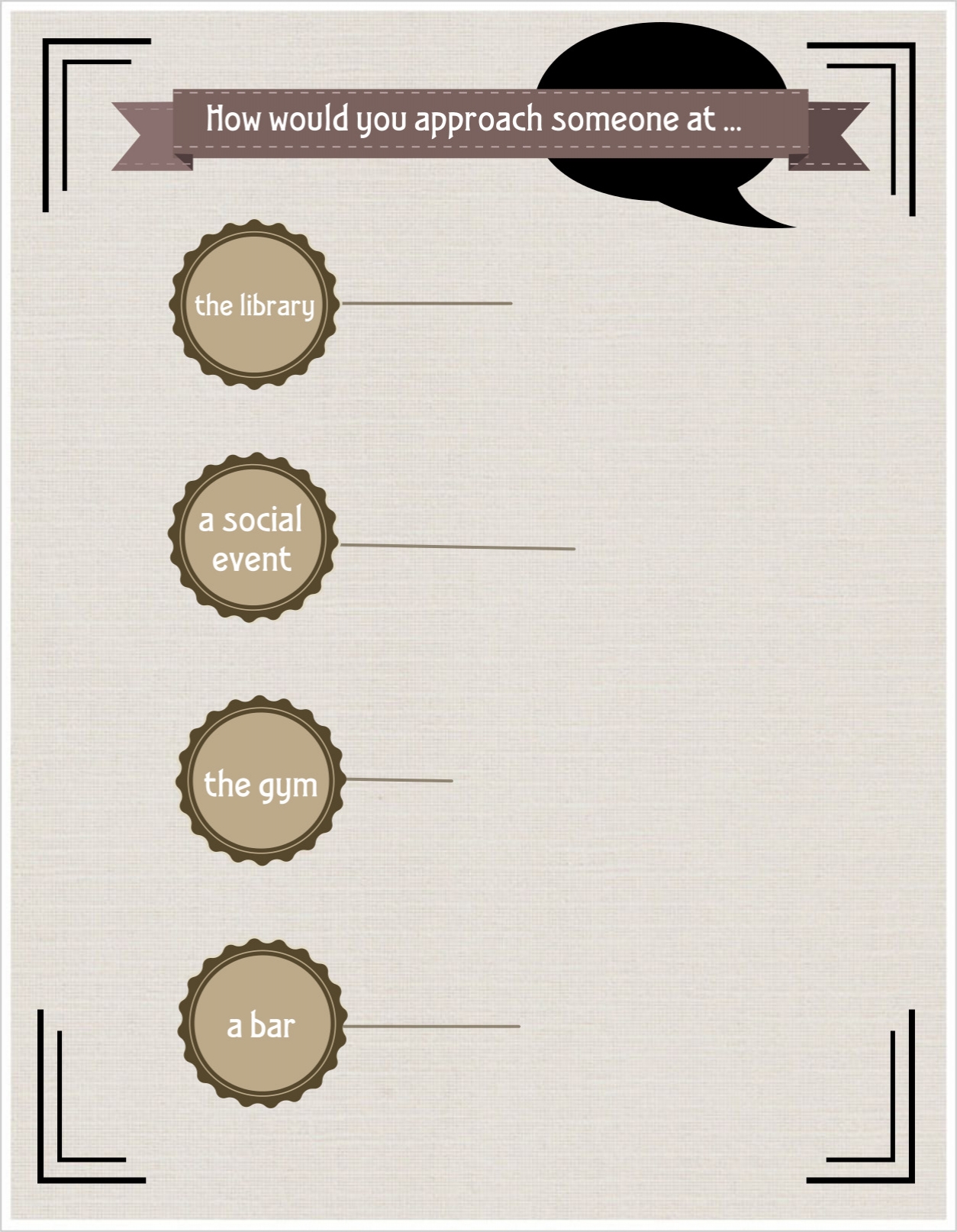
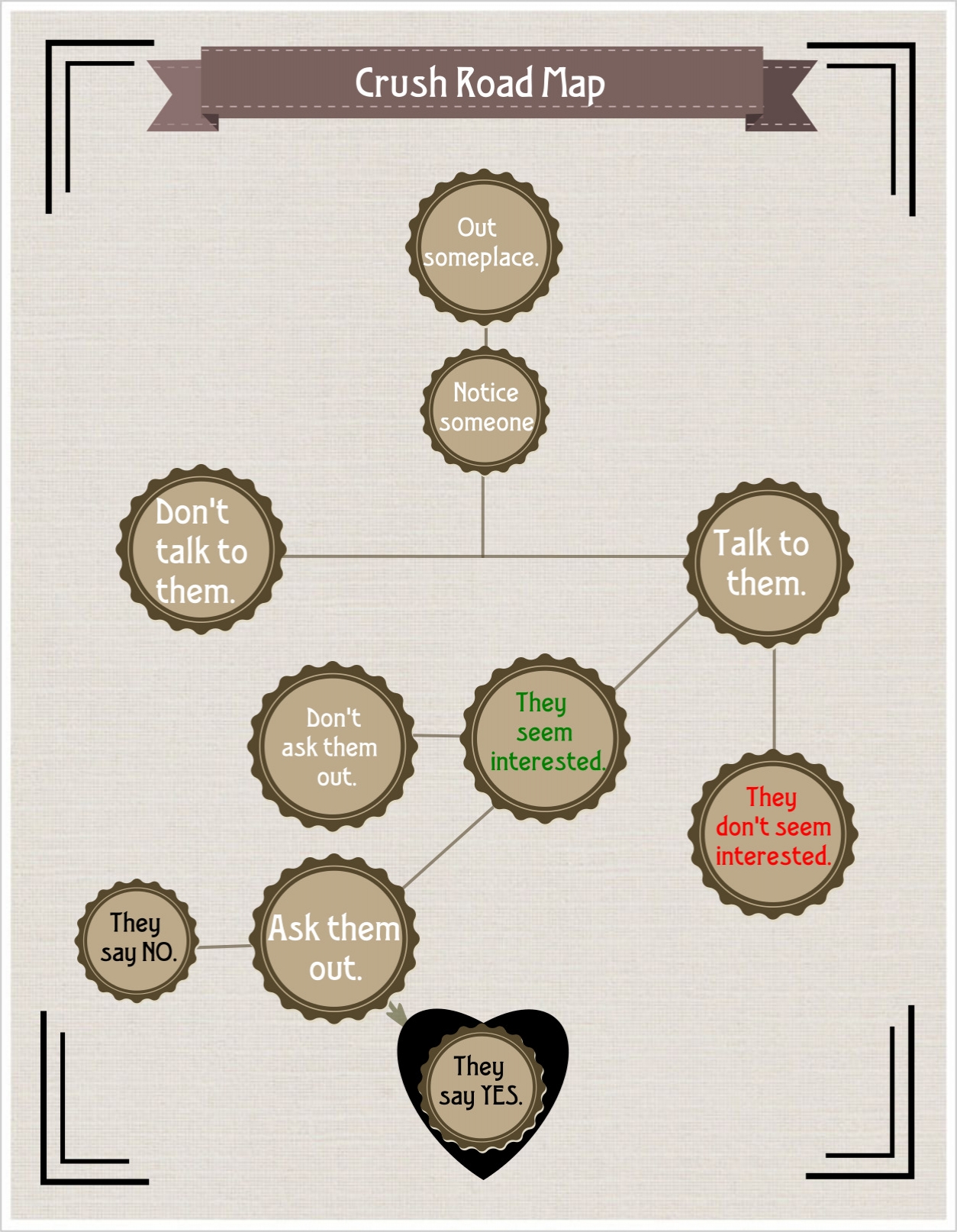
The main activity this week was a series of worksheets designed around walking participants through the steps of having a crush: places to meet someone, why you notice someone, deciding to talk to them or not, signs of being interested, approaching someone, asking out on a date, and saying “No”.   Probably the most difficult question on the worksheets was, “why do you notice this person?”  Many of the participants focused on things the would like if they got to know someone.  It took several prompts, but they were able to start thinking about the things they notice about others, the things that draw their attention.  When we got to different ways to approach someone there were many questions on bar etiquette.  We talked about buying drinks for others, when it’s expected to approach people and when it’s not, and the difference between the bar sitting area and table sitting area.  We didn’t get to our final activity, but were were going to sequence the road map with pictures of couples at different stages.  We have a little bit of a time management problem because there’s no clock in the room.  It’s the little things!

We gave them two additional resources this week.  First we sent them to a website on how to build self confidence.  We also suggested the book, What Men With Asperger Syndrome Want to Know About Women, Dating and Relationships by Maxine Aston.

Get all the materials for this weeks lesson

Adult Human Sexuality Week 4- Dating

worksheetThe previous week focused on crushes so this week’s topic, dating, was a natural extension.  We did a lot of role playing and it went wonderfully.  We were able to pull out parts of the role play to reinforce many of the different concepts.  The last time I had done role playing was with middle school students- adults are just so much different to work with.  They took the role plays very seriously and put a lot of effort in.  One of the actors did turn out to have a comedic streak so the activity was fun as well as thoughtful.

We also did an activity where we asked participants to think about the characteristics in a relationship that were most important to them.  We had a couple red flags on the list (like one about physical mutuality) and they were all tuned into why that is important.  This activity lead to a nice open discussion where we talked about other items on the list that were important to us.  For the most part, people in the group are really centered on having similar interests and values.

Free free to use the materials we’ve developed.

Materials for this week

Adult Human Sexuality Week 5- Power in Relationships

power in relationshipsFor those of you who have come to a workshop, this activity was similar to what we did in the workshop.  We thought about power and control in relationships and specifically the benefits of having more power, benefits of having less power, drawbacks to having more power, and the drawbacks to having less power.  Once we got it all up on the board we used put a circle in the center and talked about how different situations would be red flags that a relationship would be unsafe.  We also did a shortened version of the “What Should I do Worksheet” and role played some of the different scenarios (like one friend calling another friend because her boyfriend just told her there was a greater age difference than she assumed).

We want more people to get good sexuality education so feel free to use our materials.  If you improve on them, let me know!

This Weeks Materials

One of the participants in our group loves to do trainings and so we included a online training program to identity dating violence in teen relationships. You may find this site really useful too.   Dating Maters offers a 1 hour and 20 minute training that will allow you to identify examples of teen dating violence and understand the consequences of teen dating violence.  The training will teach you the risk factors, protective factors, warning signs, and challenges for seeking help for teen dating violence.  The material is a good starting place for adult relationships too.

Adult Human Sexuality Week 8- Sexuality and the Law

At this stage in the game, my partner in crime took over teaching the course.  This is part of training paradigm were testing out where we partner with a community agency to teach the course.  We process course development together, I start out as lead facilitator, and then we transfer over.  For person who is facilitating also develops the materials.  In the end, the agency gets a copy of all the resources we developed (all the ones I’m sharing with you here).  If you’re interested in doing something like this and are in the Champaign-Urbana area, contact me:)

Everyone in our group really understood topics of sexuality and the law at the extremes so we spend most of our time processing situations that would be more nuanced and contextual.  These situations are quite difficult, even for individuals who have few/no intellectual impairments.  We gave some general guidelines, like Facebook commenting guidelines and also tried to simplify legal language.

People in the class were really interested in crime statistics regarding sexual violence.  We didn’t include a lot of that  information, but it is something that we might want to consider in the future.  It’s hard to balance providing people with accurate information but not sensationalizing or using scare tactics.

This week we used a case study activity.  I’ve never used this as a teaching tool before.  We read a news article about Facebook stalking.  I think the idea of using case studies is really interesting and I would like to test out this tool in the future.  I’d love to hear from you if this is something you’ve had success using.

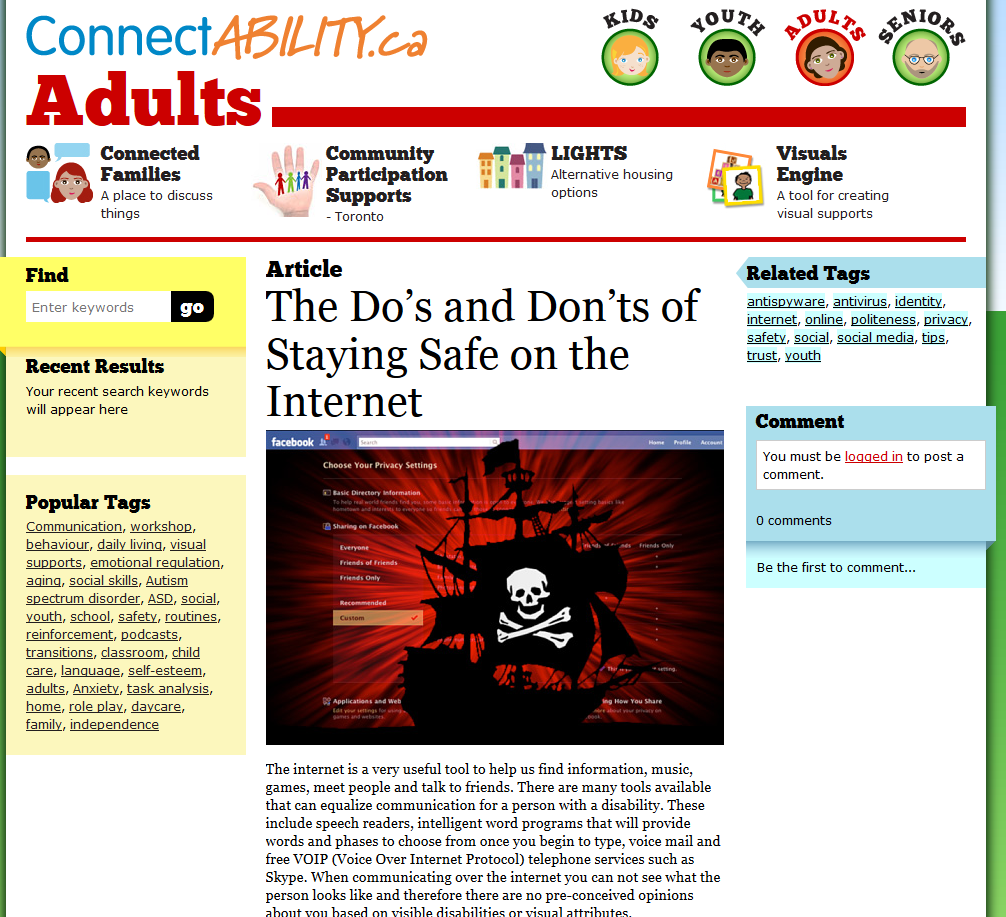
The article pictured below was featured in the Newsletter this week.  It’s from Connect Ability; a website that was specifically developed for individuals with developmental disabilities.

If you’re thinking about teaching this on your own, feel free to use the materials we’ve developed (below).

Materials

dos and don'ts

Adult Human Sexuality Week 10- Closing

ConnectionsThis week was just a review.  We had three review activities, but only got to two of them because we spent a lot of time on questions.  I posted all the topics and subtopics on the board and asked everyone to write three to five questions they had about any of the topics we covered in class.  Some of the questions were “What is considered to be by law a legal age to be sexually active?”, “What defines a person as a specific gender?”, What is the difference between having a crush on someone or just being in lust?”, “Can you provide an example of different ways for someone to commit voyeurism?”, Why do women get paid less than men who share the same job duties, nowadays, as a result of these stereotypes?”, & “Is it possible for a guy who may have any type of diseases to pass it on to a girl through rape?”.  I think actually seeing the questions tells me a lot about what people are picking up from class and what are areas we might of glossed over more.  I think it could be really fun to do this same activity the first week of class and then repeat it at the end.

If we would have got to everything, we would have role played situations where they would need to get information on sexuality topics after the class was over.  We did talk about this topic.  We did close with a values exercise where participants thought if they agreed or disagreed with different statements.  We had a lot of like minded people in our group so we would talk about why someone might feel differently then we do.  We sent participants home with a book that included supplemental material, material we covered in class that wasn’t in the handouts (activity based information), information from the newsletters, additional resources, and the worksheets they completed during class.  I hope that will be a useful resource for folks in the future.  We had such a nice time teaching the class- I hope the participants enjoyed it as much as we did (I think that they did!).


If you’re thinking about teaching this class, here are the materials we used.

Additional Materials

Adult Human Sexuality Week 9- Gender Roles

gender rolesIt was really fun teaching about gender roles.  Gender roles and gender identity were difficult concepts.  Most of the people in the group talked about wearing a dress as if it made you a women.  So we talked a lot about biology and society and how those both influence people and gender.  We also talked a lot about gender stereotypes and how they can put limits on how people act.

Our big activity this week was making gender stereotype collages.  We found images from magazines that we thought reflected gender stereotypes and made them into a collage.  We talked about which stereotypes were easy to break and which ones were hard to escape.  The men found a lot of images they thought were more realistic depictions of women.  In the future, I think it could be fun to structure that into the activity.

Throughout the entire session, one of the things that was really difficult is that there are gender roles, gender stereotypes, and gender identities.  They influence each other but they’re different.  It’s not so critical that folks in the class understand the precise definitions, but it might have been helpful to walk through that a little bit more concretely.  On the other hand it led to really nice discussion questions, for example one participant asked “What makes a person their gender?”

We used a couple videos in class.  The first video focused on gender identity.  It shows person in the process of gender reassignment.  Over the three year period you can see how their external appearance reflects gender identity more and more.

The second video is more about gender stereotypes and gender roles.  One of our participants brought up how boys don’t like to play with “girl toys” and I remembered having seen this and pulled it up (it’s nice when it works out like that!).

If you want to take a stab at teaching this on your own, hear are the materials we used.

Additional Materials

F.L.A.S.H.

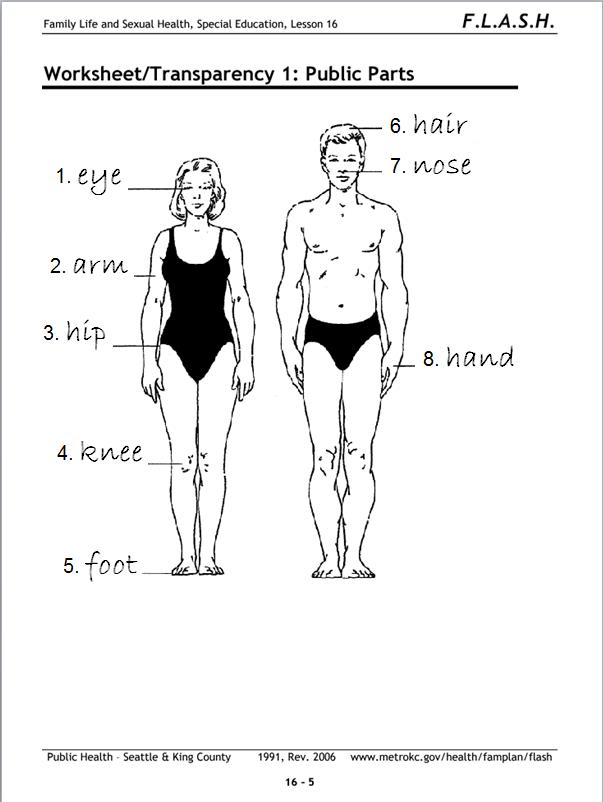
flashFLASH is a curriculum that was developed in the Seattle area and was adapted for students with special needs.  It’s free and has some nice lesson plans.  I don’t usually use any of them from start to finish on their own, but it’s a starting place to get ideas.  Did I mention that it’s free?  Many of the lessons have “transparencies” that are in Power Point form.

Developmental Disabilities and Sexuality Curriculum

ImageThis is a curriculum by Katherine McLaughlin at Planned Parenthood, Karen Topper at Green-Mountain Self-Advocates, and Jessica Lindert.  I know several folks who use this curriculum and really love it.  It was developed for adults, but they have a school expansion now.  If you already have the adult version you can get the supplement school materials for free.  

I think you get great bang for you buck with this curriculum.  It covers different types of relationships, public/private, friendship, communication, decision making, moving from friend to partner/sweetheart, many roads to relationships, being in a relationship, communicating about sex, decision making about sex, challenges or things that could go wrong, do you want to have a child, avoiding pregnancy, and getting a STI.

Young Adult Human Sexuality Group: Connections

I’m partnering with a local service provider to offer a 10 week human sexuality class, Connections.  I’m really excited about it.  The goal is that the community agency will be able to continue offering classes in the future.  They will have someone who has experience teaching a class and they will also have a set of materials.  This is my first time doing a co-operating method of training so I’ll be keeping you posted on how it is going.  If this is successful, it’s a model that I would like to pursue so if you’re in the Champaign-Urbana area and you’re interested, let me know.

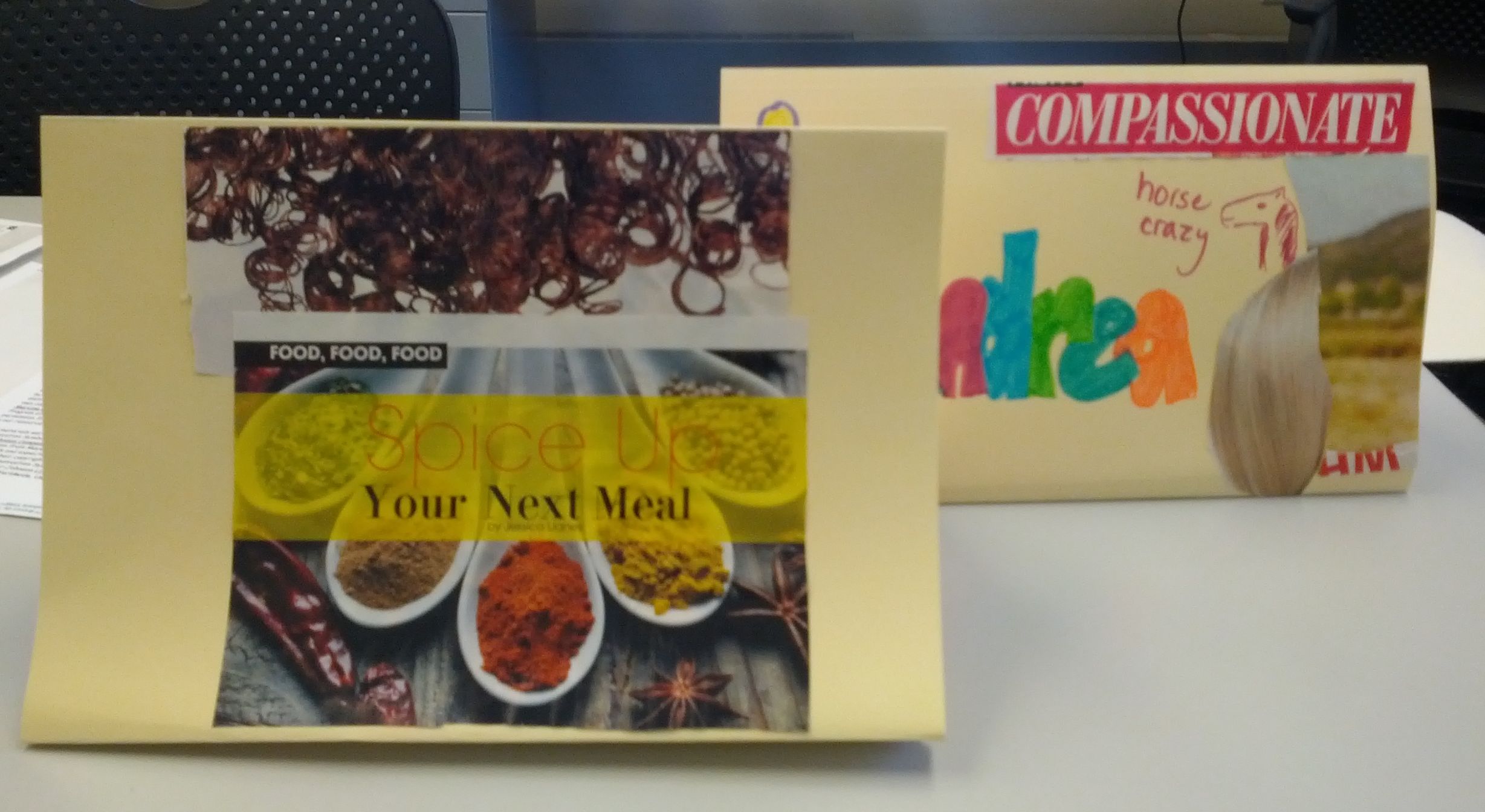
name cardsThe group is really great.  I love working with middle school and high school students, but adults are just refreshing.  This week we mostly just got to know each other.  We did some of my favorite get to know you activities such as making collage of who we are on the outside and the inside.

We also have an undergraduate social work student working with us.  She’s developing a newsletter that will go home each week with the participants.  The newsletters expand on the topics that we talk about in class.

The other thing that is really neat bout this group is that one of the participants comes to the planning meetings and helps set the group up.  He’s taking a participant and instructor role.

I’ve attached all the materials we used for the class.

Human Sexuality 101 Week 2- Anatomy

Today’s Agenda

Parts and Post-it Notes:  We started the group out by having them label body parts they already knew.  By starting out with safe, comfortable body parts students were more prepared for unknown body parts or parts that may have caused feelings of anxiety.

Terminology: We introduced sexual terminology in written from and asked the students to say the words out loud.  Between each word we’d pause and they had a worksheet with the question “I feel…” Reading a word and saying it are easier then looking at a body part so we were building their comfort level.  Also, feelings of embarrassment can be difficult for students to manage.  This is structuring a way for them to think about and express their feelings.

We had a lot of fun learning about anatomy although the topic was also met with groans, giggles, and our group’s favorite lamentation, “I want to throw up.”  More over there was general confusion about what the parts of the body involved with reproduction even are.  Essentially, they knew butt, penis, vagina, testicles and breasts but that was it.
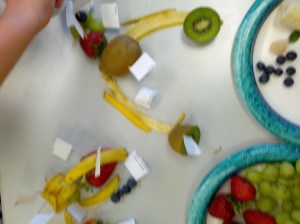
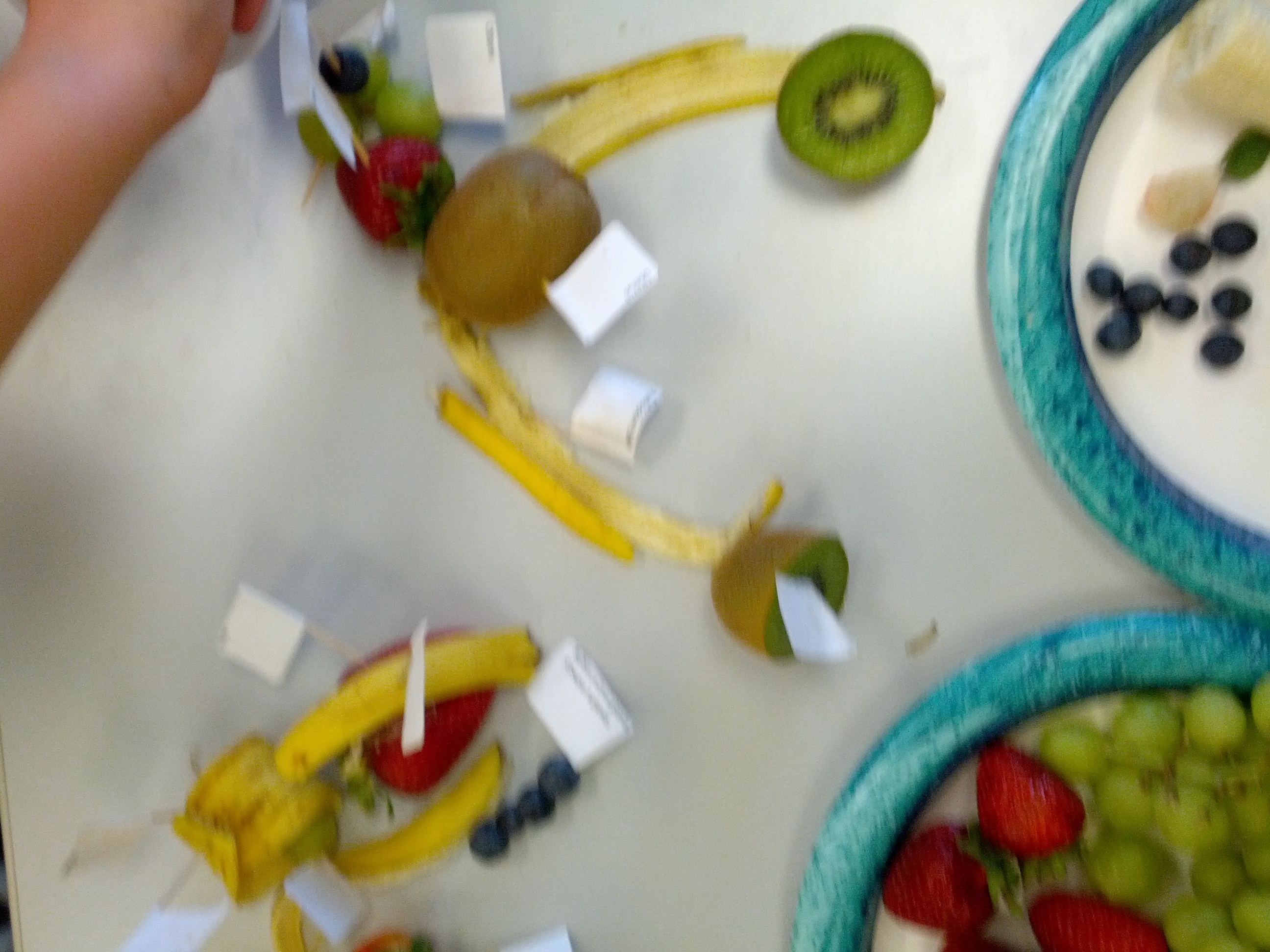
Fruity Anatomical Model:  The students will made anatomical models of the reproductive organs using fruit.  As they made the model, we talked about the function of each part.  Again the fruit makes the concept a little more abstract and safe.  This is a fun way to engage students in what is essentially a vocabulary task.

We saw some clear developmental differences today. The older kids in the group were able to stick with the more abstract activities and accomplish the tasks, but the younger kids in the group were a little overwhelmed. In the future, I may modify the task for younger students to focus on fewer parts of the body and instead of making the anatomical models,  we could play a game with body flash cards.

Privacy: We introduced the concept that privacy is about personal things you want to keep to yourself and explained that the parts of the body we were just talking about were private body parts.  We will also introduced that certain places are private, that you share with different people private information or ideas, that ideas can be private.  The main distinction is that there is a difference between private and public, but we presented three levels to indicate that there is a continuum of privacy.

We were a little rushed when we got to the privacy section.  It was hard for them to transition from private body parts to other concepts of privacy.  Although they seemed capable of these ideas, they were a little to revved up from the anatomical models and we needed more time.

For more information on anatomy view our  EXPLAINING ANATOMYYOUTUBE EDUCATIONAL RESOURCES: HEALTHCHANNEL, SEXPLANATIONS, AND CSPHADULT HUMAN SEXUALITY WEEK 2- ANTATOMY & REPRODUCTION posts

Materials for Today’s Lesson
Human Sexuality 101 Week 3- Puberty

I have to say, the puberty session went great!  It was just at the right level.  Here are the activities we did…

Defining Puberty: This was the language we used to define puberty: puberty is your body changing from a child’s body to an adult’s body.  It causes changes to your body inside and outside. Everyone goes through puberty but it might happen at different times and people’s bodies change to look different.  Puberty is a time when you start to get sexual feelings.  You don’t have control over going through puberty, but you do have control over how you react to it.  It’s normal to have mixed feelings, some good feelings and some negative feelings.  This definition highlights several key features of puberty (it’s in some ways different and some ways the same for everyone, it’s a natural biological process, it can be an adjustment). 

They Tell Me I’m Going Through Puberty: This is a story told from the point of view of a teenager about the changes that are happening during puberty.  This exercise helps students to understand that many of the changes that are happening in puberty happen to both boys and girls.  The narrative format may help students relate to the changes that are occurring.         

Boys/Girls/Both: In this activity, participants were given a series of cards each with a change that happens during puberty.  They decide if these changes happen to boys, girls, or both.  Again, this exercise helps students to understand that many of the changes that are happening in puberty happen to both boys and girls.  Many of these changes are repeated from the first exercise although more are introduced.  Each card separates out each change as concrete steps.

Puberty Worksheet: This worksheet is a check in on the changes participants have experienced, how they feel about these changes, and changes they anticipate.  The worksheet was designed to help students anticipate some of the changes that will happen during puberty and help them to be aware of the changes that are happening in their own body. We use both open ended and multiple choice questions to stimulate different levels of thinking.

Diversity:We showed power point slides with pictures of several people showing a diversity of bodies and ages.  Students were asked, “Which ones are going through puberty?”.  This activity reinforces the concept that puberty is in some ways different and some ways the same for everyone.  One thing that became evident was that the students had difficulty understanding that children hadn’t gone through puberty but the were quick to grasp onto the idea that adults are finished going through puberty.  We used a few favorite characters to help the kids get a little excited about the topic.

Click on the Links Below to AccessMaterials

Sexual Abuse Self Protection Resources

Shirley Paceley is based out of Blue Tower Training in Decatur, Illinois.  She has been working with individuals with developmental disabilities for over 30 years and has specific expertise in abuse prevention and intervention.  She is available to do trainings and consultations.

Check out this online store for books and resources developed by Shirley and others for teaching about sexuality and sexual abuse prevention.

Human Sexuality 101- Reproduction

My favorite comment from this session was, “Can we stop working on the worksheet for a minute? I just really want to listen!”  We based the lesson the Nova’sLife’s Greatest Miracle” (you can stream for free or buy the DVD for $20).  We covered the material in one session but didn’t have time for the breakout groups and we went over our allotted time.  We could have easily split it up into two sessions.  The video is very well done and contains a lot of good information.  We had the students fill out a worksheet to help them key into important points and break down euphemisms.  It’s amazing how much they are learning but also what is slipping by.  For example, as we’re watching the sperm and the egg meet I asked, “Is this happening inside the man’s body or inside the woman’s body?” and they didn’t really have any idea.

For the parent component of the session, we manly focused on two questions. 1) What do you think about preemptive birth control? and 2) What are your hopes and fears about your child becoming a parent in the future.  Unfortunately, these are some of those questions without any easy answers.

Download the materials…