Adult Human Sexuality Week 7- Sexual Health

For our sexual health week stdswe talked focused on STDs and contraception methods although we did include more general health information in the newsletter.  We did a condom demonstration and then practiced putting on condoms (we used bananas as our phallics).  It was really important that we did that because several parts of putting on condom were tricky  such as opening the wrapper and making sure it wasn’t inside out.
We talked about the “morning after pill” and STD testing.  This is a more complicated topic for individuals with medical guardians.  Individuals have the right to these forms of medical care without guardian approval if they are part of post sexual assault forensics.  But what about outside of that context?  This was especially timely as we had this class the same week a New York judge struck down age limits on the “morning after pill”.

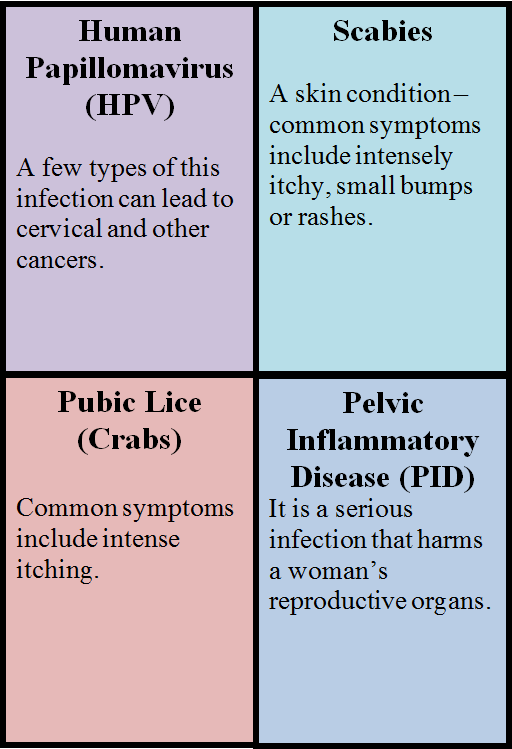
We played a game with contraception methods and STDs that mimic Go Fish.  It was a lot of fun.  The cards for the game are below.  Depending on your audience, you could either print out two copies of the same cards or there are two versions of each card so you can squeeze in twice as many facts.

If you’re teaching a class on this topic and would like to check out our materials, I’ve included them below.

Materials
Sexual Health- Pelvic Exams

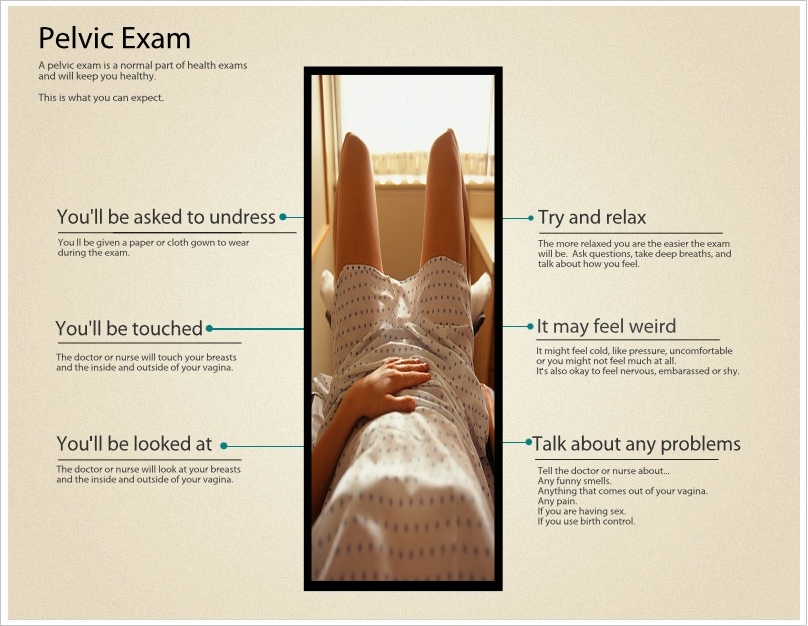
Many women with development disabilities are under anesthesia during pelvic exams or don’t get them at all (or as recommended).  However, educating about pelvic exams may be an important part of teaching sexual health.  I’ve included the link to a video that may help.

This is a brief video that goes through the basic procedure of a woman having a pelvic exam.  This could also be a good video for teaching about female anatomy.  It has a lot of technical terminology but it also moves nice and slow.

The Circles of Sexuality

No, these aren’t the circles we usually talk about related to levels of intimacy and based on the Circles curriculum.  These circles developed by Dr. Dennis Dailey, focus on Sensuality, Sexualization, Intimacy, Sexual Identity, and Sexual Health.  I think these might make a good framework for a 5 module course or could be used to introduce the concept of sexuality.  Click here for a full explanation of The Circles of Sexuality

Introduction to Sexuality Education for Individuals Who Are Deaf-Blind and Significantly Developmentally Delayed

I found this great (free) book online.  Although it targets parents, caregivers, and professionals who work with individuals who are deaf-blind and significantly developmentally delayed- you may find useful info even if this not your target population.  Kate Moss & Robbie Blaha’s overall approach to education considers four basic tools for instruction: routines, units, teachable moments, and behavior plans.  Chapters include …

Chapter 1 – Introduction
Chapter 2 – Sexuality Education
Chapter 3 – Developing an Instruction Plan
Chapter 4 – Modesty
Chapter 5 – Appropriate Touch and Personal Boundaries
Chapter 6 – Menstruation
Chapter 7 – Masturbation
Chapter 8 – Sexual Health Care
Chapter 9 – Sexual Abuse

I just want to highlight a couple of things I found particularly useful.  They provide instructions for developing a sexual education policy and provide a model policy as well as sample permission forms.  I also thought that their plan for supporting with menstruation was well thought out and useful.

There’s also the Texas School for the Blind and Visually-Impaired’s website, which offers some strategies for supporting and educating visually impaired individuals about many topics such as gender roles, social skills, personal safety, gender identity, sexual language, masturbation, and reproductive anatomy.