
Anatomy and Reproduction were the topics for week 2. We started off the session with a game called “Parts and Post-it Notes” to talk about body parts with the participants. To play this game we had a giant piece of paper with the outline of a body on it. We gave the participants post-it notes to write down the body parts that they knew and asked them to place them on the outline of the body.
After this activity, the participants were told that for the rest of the class they would be focusing on body parts related to reproduction (another way to refer to sex organs or private parts). The participants were then directed to the next activity where they practiced saying terminology related to reproduction out loud and recording their responses to how saying the words made them feel.
When the participants finished the terminology activity, we spit them into two groups to start the fruit anatomical model of reproductive organs using fruit. The participants were shown a picture of the parts of the body and were giving tooth picks and flash cards to label the fruit parts and their functions. This activity was great for the participants to learn the vocabulary in a little abstract and safe way! For a more concrete example of reproduction, we used the “Miracle of Life” video to explain the process.
We ended this session by having the participants briefly summarize that they learned during the session.
For more information on anatomy view our Human Sexuality 101 Week 2- Anatomy, EXPLAINING ANATOMY, YOUTUBE EDUCATIONAL RESOURCES: HEALTHCHANNEL, SEXPLANATIONS, AND CSPH, ADULT HUMAN SEXUALITY WEEK 2- ANTATOMY & REPRODUCTION posts

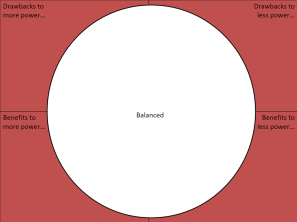 The focus of week 6 was to better understand power relationships. During this week, the participants worked together on a activity that helped them to learn about power and control in relationships and specifically the benefits of having more power, benefits of having less power, drawbacks to having more power, and the drawbacks to having less power. The main concept that we were teaching with this activity is that there should be a balance when it comes to power. We first brainstormed ideas on what it meant to have power in a relationship. After that, the participants discussed how different situations could be red flags that a relationship is not safe and we had them place those on the outside of the circle. We superimposed a circle onto our original brainstorming to reinforce this concept (using the powerpoint project and a dry erase board).
 The Birds and The Bees