Young Adult Human Sexuality Group: Connections

I’m partnering with a local service provider to offer a 10 week human sexuality class, Connections.  I’m really excited about it.  The goal is that the community agency will be able to continue offering classes in the future.  They will have someone who has experience teaching a class and they will also have a set of materials.  This is my first time doing a co-operating method of training so I’ll be keeping you posted on how it is going.  If this is successful, it’s a model that I would like to pursue so if you’re in the Champaign-Urbana area and you’re interested, let me know.

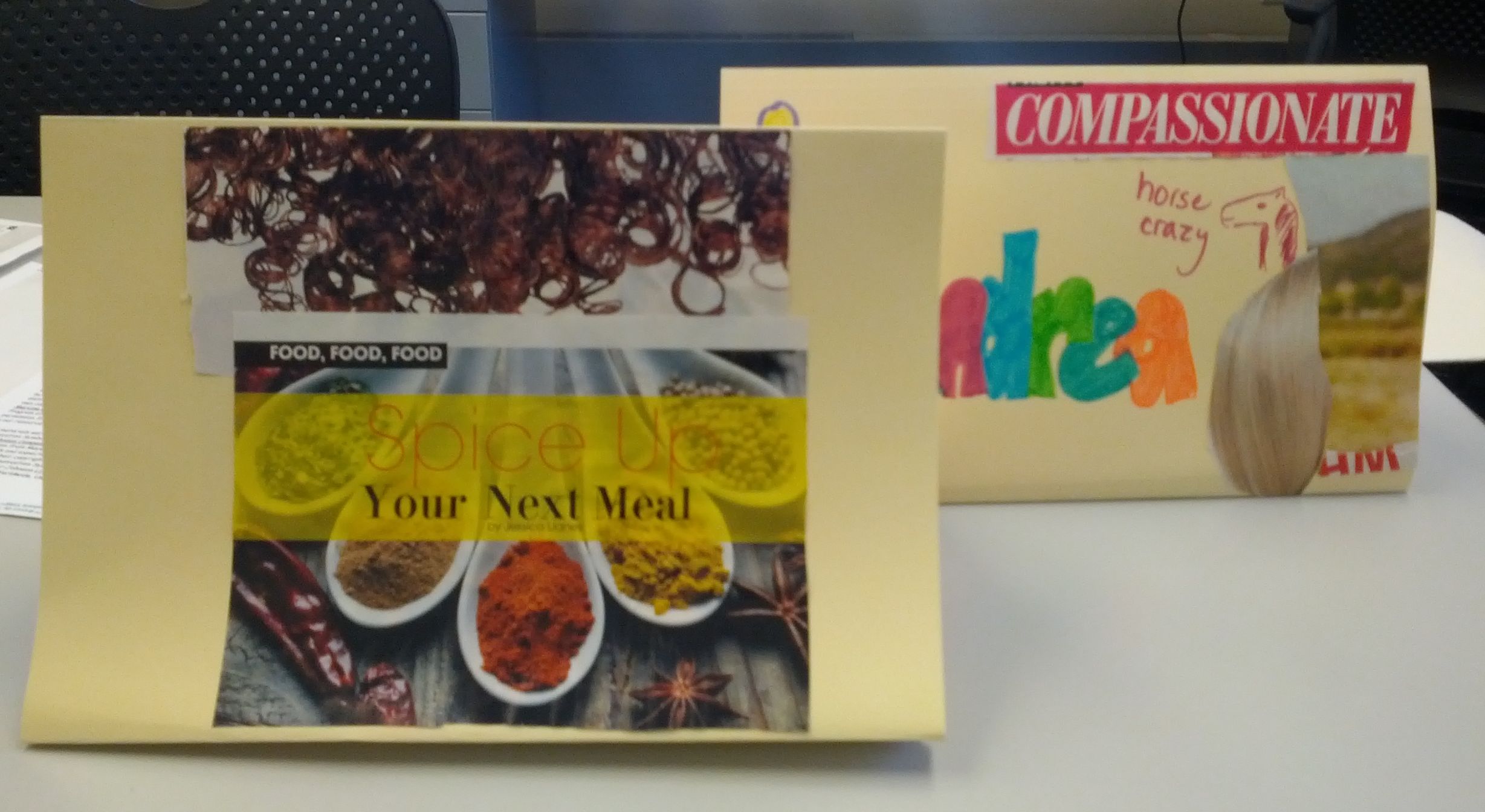
name cardsThe group is really great.  I love working with middle school and high school students, but adults are just refreshing.  This week we mostly just got to know each other.  We did some of my favorite get to know you activities such as making collage of who we are on the outside and the inside.

We also have an undergraduate social work student working with us.  She’s developing a newsletter that will go home each week with the participants.  The newsletters expand on the topics that we talk about in class.

The other thing that is really neat bout this group is that one of the participants comes to the planning meetings and helps set the group up.  He’s taking a participant and instructor role.

I’ve attached all the materials we used for the class.

Communicating About Sexuality Adaptively

f1mj421_02_1

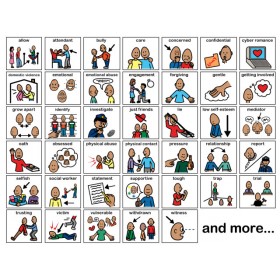
It can be a little overwhelming to start thinking about communicating pictorially about human sexuality topics, but there are some supports available.

Many of you already use Board Maker (computer software that helps make visual supports and PECS).  They have a “Communicating About Sexuality” add on that is very useful and only costs $15.00 (but you have to already have Board Maker).

If you would like some guidelines on how to approach augmentative and alternative communication (AAC) in regards to sexuality Speak Up has resources that you may find useful.  Speak Up is a group dedicated to preventing sexual abuse/victimization among people who use alternative communication.  They have guidelines, suggestions for communication displays, and information about building sexual vocabulary.  This group surveyed individuals who use AAC and found that ACC users say they need:

  • People who recognize that they are sexual
  • Information about sexuality
  • Vocabulary to communicate about sexuality
  • People to communicate with about sexuality
  • Accessible resources and services

Sounds pretty darn reasonable to me.


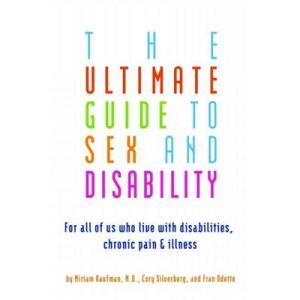
The Ultimate Guide to Sex and Disability

the guideThis book by Miriam Kaufman, Cory Silverberg, and Fran Odette is eye opening.  It’s written by people with disabilities for people with disabilities and focuses on the joys of sexual intimacy.  As a typically developing person, it challenged a lot of my assumptions about sex and made me think about new things.  Chapters include: Myths About Disability and Sex; Desire and Self-Esteem; Sexual Anatomy and Sexual Response; Communication; Sex with Ourselves; Sex with Others; Oral Sex, Penetration and Positioning; Sex Toys, Books, and Videos; Yoga and Tantric Sex; S/M; Sexual Health; Sexual Violence and Sexuality; Resources; and Glossary of Gender and Sex Terms.   I want to share two passages with you.

Sex and Spontaneity

“We’re taught that sex is suppose to be spontaneous, something that just comes naturally (like ‘true love’).  This belief is damaging to everyone, but is a real problem for people living with disabilities, because any amount of planning makes sex not spontaneous.  Believing in this myth pretty much ensures a lously sex life.
While sex has many meanings, at its heart sex is a process of communication.  Whether we are flirting from across a crowded room, giving someone head for the first time, or making love while listening to a piece of music that totally turns us on, being sexual is being in contact with ourselves and our surroundings.  The idea that this process can happen without thinking, talking, or planning is ridiculous.
Maybe we are willing to buy into the myth of sexual spontaneity because talking about our desires is difficult.  It’s risky, and makes us feel exposed and vulnerable, and often vulnerability is equated with weakness.”

This made me think a lot about the way I teach reproduction and sexual intimacy.  I tend to focus a lot sexual behavior, but not as much on the planning and communication that comprises that behavior.  Also, I do a lot of role playing, planning out what you’re going to say in advance, and scripting.  I’ve never really done that around negotiating intimacy.

Privacy

“If we were taught anything about sex at all when we were younger, many of us learned that sex was something private, inappropriate to talk about or do in front of others.  Privacy becomes a requirement for sexuality.
From someone living in an institution, or using attendant services, or needing the assistance of someone else to facilitate communication, privacy is a completely different reality.  The definition of privacy changes when you have no lock on your door, or when you request private time at a specific hours knowing that it will probably be written down in a log-book.  This myth is one of those ‘no-win situations,’ because we’re told that real sex is a private matter and, guess what, you can’t have that kind of privacy.”

This passage really challenged me to think about how I teach privacy and how I teach about relationship types.  I think sometimes I might ignore that what a lot of people think of as privacy and the individual I am working with reality of privacy are two disparate things.

I do wish this book focused a little more on people with intellectual disability and was written at lower reading level.  I do think people with ID/DD could read it with support, especially sections.  Much of the book is testimonies by people with disabilities and I think these passages could be great teaching tools.  There are also suggested exercises- one of the exercises was about looking at your body.  I teach antimony all the time, but I don’t think I’ve ever said, “when you’re at home, alone in your bedroom, look at and feel your body and check out the parts we’ve been talking about, you can even use a mirror.”

Music- A Different Way to Teach Sex Ed

Songs for Your Body is a curriculum comprised of, you guessed it, songs.   They cover hygiene, abuse, masturbation, contraception, sexually transmitted infections, and sexual health.  You can preview the songs on their website- I liked the masturbation songs.  In general, they’re a little hokey but I think it’s a good example of thinking outside the box.  The CD is $15.41 including shipping and handling and comes with a booklet of lyrics and activities.

Facilitated Sex

What is facilitated sex?  This brief video explains what facilitated sexual activity is and some of the considerations.

Dr. Mitchel Tepper is an expert in the area of sexual health, disabilities, and medical conditions with a specific focus on physical disabilities.  His website can connect you with a lot of great information (I especially like his blog).

Some things to keep in mind about facilitated sex…

  • Facilitated sex is a continuum.  Dr. Sarah Earle suggests it might include providing sex education, fostering an environment that allows intimacy, the procurement of sexual goods,  and arranging for paid-for sexual services.
  • Many individuals with disabilities would be unable to participate in many parts of sexual expression without some level of facilitation.
  • It’s not that abuse and victimization aren’t concerns- they are!  It is also important to consider how to support individuals with exploring sexual pleasure and sexual facilitation is part of that picture.

Program Development Associates Online Store

This online store features 33 dvd based resources for teaching human sexuality to individuals with intellectual disability.  They have resources for…

  • All age ranges
  • Boys and girls
  • Nurses
  • Advocates

Prices range from $35.00 to $250.00 with everything in between.  This could be a great place to find what you need.

Sexual Abuse Self Protection Resources

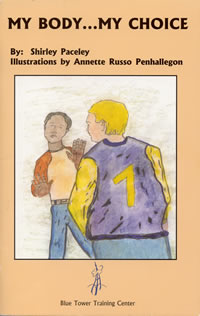
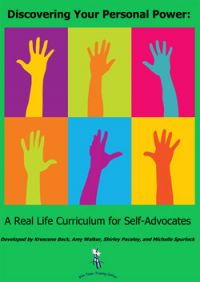
Shirley Paceley is based out of Blue Tower Training in Decatur, Illinois.  She has been working with individuals with developmental disabilities for over 30 years and has specific expertise in abuse prevention and intervention.  She is available to do trainings and consultations.

Check out this online store for books and resources developed by Shirley and others for teaching about sexuality and sexual abuse prevention.

Sexual Health- Pelvic Exams

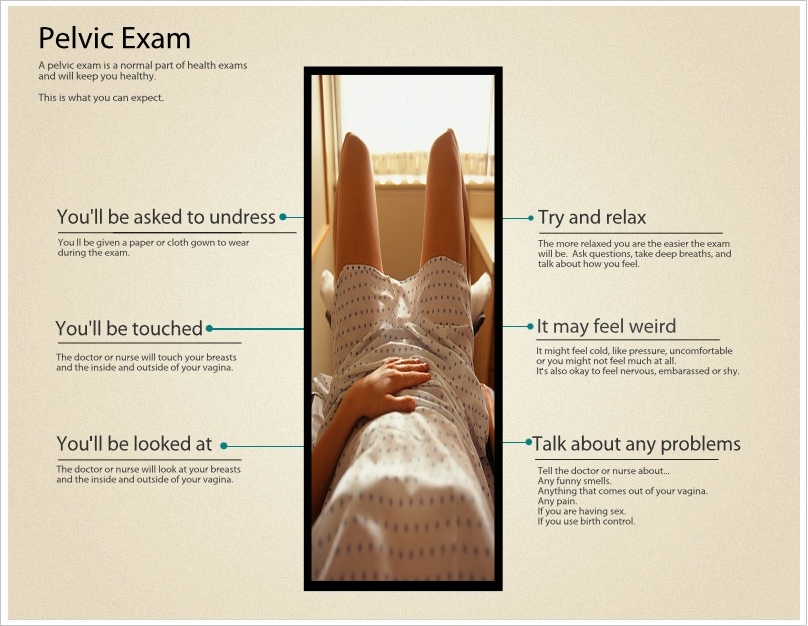
Many women with development disabilities are under anesthesia during pelvic exams or don’t get them at all (or as recommended).  However, educating about pelvic exams may be an important part of teaching sexual health.  I’ve included the link to a video that may help.

This is a brief video that goes through the basic procedure of a woman having a pelvic exam.  This could also be a good video for teaching about female anatomy.  It has a lot of technical terminology but it also moves nice and slow.

Dave Hingsburger- Blogger, Advocate, Educator

For those you how enjoy following blogs, and especially for those of you who enjoy blogs that feature individuals with disabilities, and particularly if you would like to read more about disability and sexuality- this blog is for you.

Dave Hingsburger is behind many of the resources from Diverse City Press such as Handmade Love/Finger Tips (masturbation education), No How (abuse prevention), and Undercover Dick (condom use).  He also has written several books such as The Key (supporting individuals with disabilities who are also sexual offenders), R: The R Word (bullying self-advocacy), and Just Say Know (victimization).  This is not an exhaustive list, but it gives you an idea.

Enjoy!

Making Visuals

There are many different ways to make visuals: cut and paste from magazines, jot down words and images, use Boardmaker, use power point…

For each method there are different pros and cons and a lot can be said for something that’s just plain easy to use.  I also don’t think there’s anything wrong with a visual that has been made quickly- if it gets the message across, it doesn’t have to look nice.

But sometimes it is important for for a visual to be ascetically pleasing- and I wanted to share a free tool that’s available for making infographics (what marketers and advertisers call visual supports).  It’s not particularly easy to use and it takes more time, but in the end you have a nice looking product.  I would use this I wanted to make something I could use over and over (it’s worth the time) or if I was working with someone who thinks my regular visuals are “babyish”.  You have to be careful about resisting the temptation to over clutter.  There are several different generators, but for no cost, this one has the most flexibility and is relatively easy to use.  http://www.easel.ly/

This visual goes along with the “What Should I do?” exercise we did during the workshop.  You can download this visual as a PDF.

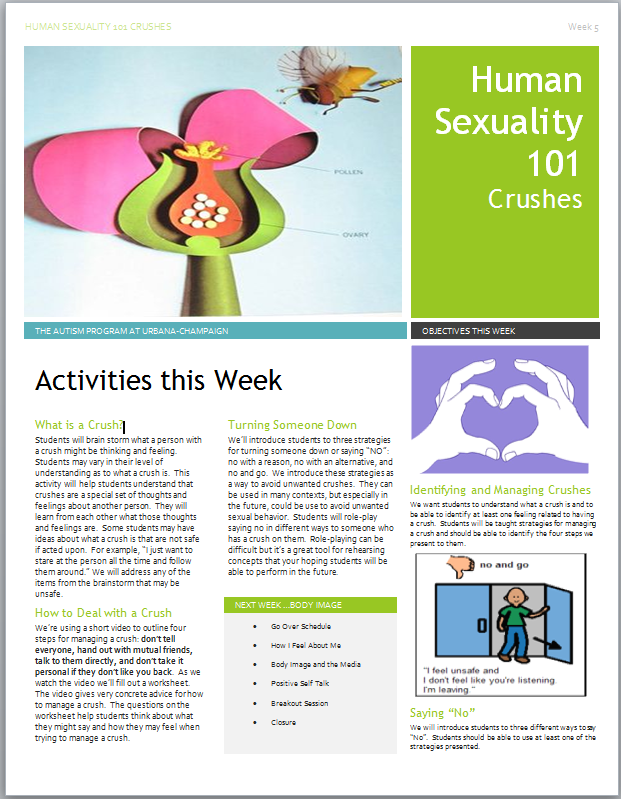
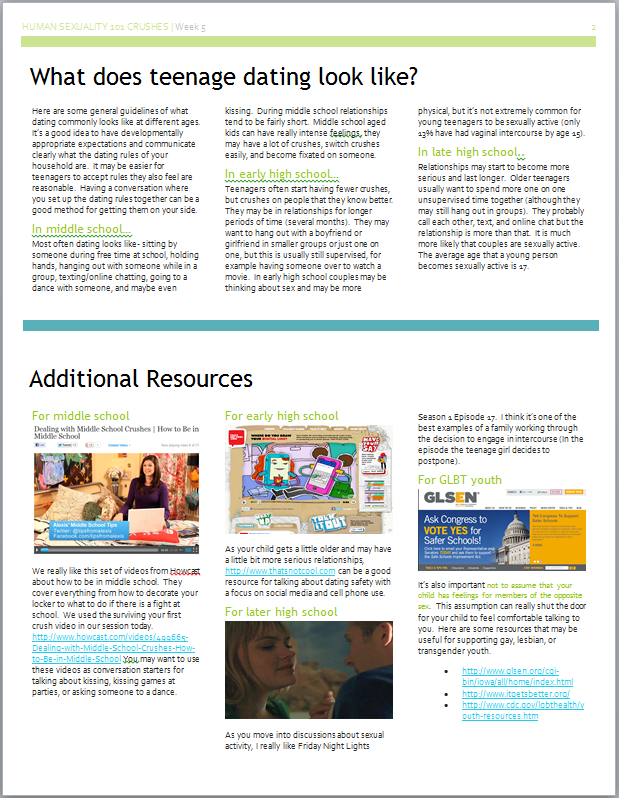
Human Sexuality 101 Week 5- Crushes

This topic generated a lot of good discussion.  Our group was a little distracted today (maybe because we had a week break).  For next week we’re going to try a few different classroom management strategies so we can try to spend more time focused.  We’re going to simplify the rights and the responsibilities and give them 3 rules (no talking when I’m talking, no hitting, and no mean comments).  We’ll also use a visual stop sign for if the group gets out of control.  I’ll keep you posted how it goes!  Having said that, despite distractions, I’m confident the group did learn a few things about crushes.

Activities this week…

What is a crush?

Students brainstormed what a person with a crush might be thinking and feeling.  Students varied in their level of understanding as to what a crush is.  This activity helped students understand that crushes are a special set of thoughts and feelings about another person.  They will learned from each other what those thoughts and feelings are.  None of the students in our group expressed ideas about what a crush is that would not be safe if acted upon (I was thinking someone might say something like, “I just want to stare at the person all the time and follow them around.”) We were ready to address any of the items from the brainstorm that were unsafe.   In later discussion we labeled some ideas as unsafe.

How to deal with a crush

We’re used a short video to outline four steps for managing a crush: don’t tell everyone, hang out with mutual friends, talk to them directly, and don’t take it personal if they don’t like you back.  As we watched the video we filled out a worksheet.  The video gives very concrete advice for how to manage a crush.  The questions on the worksheet helped students think about what they might say and how they may feel when trying to manage a crush.

This is where they got a little distracted.  In the future, I would shorten the worksheet so there is only one question per tip.  I would maybe have them work on answering the questions with a partner, then sharing with the group.

Turning someone down

We introduced students to three strategies for turning someone down or saying “NO”: no with a reason, no with an alternative, and no and go.  We introduced these strategies as a way to avoid unwanted crushes.  They can be used in many contexts, but especially in the future, could be use to avoid unwanted sexual behavior.  Students role-played saying no in different ways to someone who has a crush on them.  The role-plays worked really well!  Role-playing can be difficult but it’s a great tool for rehearsing concepts that your hoping students will be able to perform in the future. 

Materials for this week

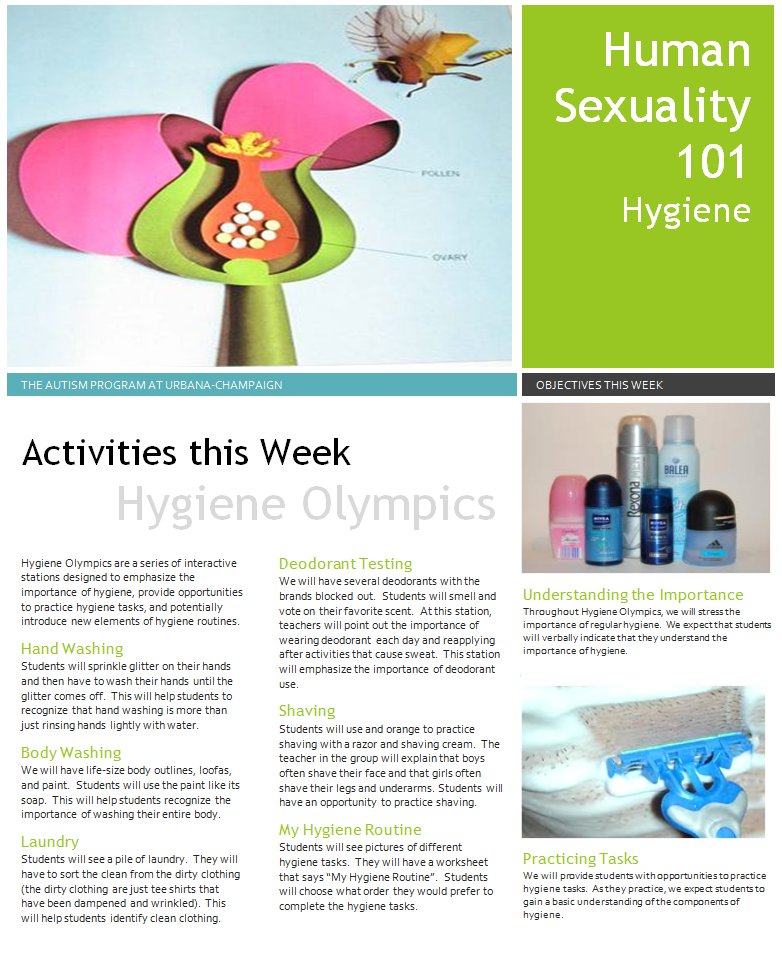
Human Sexuality Week 7- Hygiene

Hygiene is not on the SEICUS guidelines for what to teach in a human sexuality class, but we find that it can be a hard topic for students.  It also is strongly connected to puberty because it is during puberty that hygiene needs change at the same time young people have more autonomy and responsibility for their hygiene.  We tackled hygiene with a series of activities we called hygiene Olympics.  In small groups, students moved throughout the stations to practice and contemplate hygiene tasks.

  • Hand washing: Students rubbed glitter mixed with lotion on their hands and then had to wash their hands until the glitter came off.  This will helped students to recognize that hand washing is more than just rinsing hands lightly with water.
  • Body washing: We will had life-size body outlines, loofas, and paint.  Students used the paint like it was soap.  This helped students recognize the importance of washing their entire body.
  • Laundry: Students saw a pile of laundry.  They then sorted the clean from the dirty clothing (the dirty clothing are just tee shirts that have been dampened and wrinkled).  The helped students identify clean clothing.
  • Shaving: Students used an orange to practice shaving with a razor and shaving cream.  The teacher in the group explained that boys often shave their face and that girls often shave their legs and underarms. Students had an opportunity to practice shaving. 
  • Deodorant testing: We had several deodorants with the brands blocked out.  Students smelled and voted on their favorite scent.  At this station, teachers  pointed out the importance of wearing deodorant each day and reapplying after activities that cause sweat.  This station emphasized the importance of deodorant use. 
  • My Hygiene Routine: Students saw pictures of different hygiene tasks.  They also had a worksheet that said “My Hygiene Routine.” Students chose what order they would prefer to complete the hygiene tasks.  This activity provided students with control and choice while also committing them to completing the necessary tasks.

Materials for this week

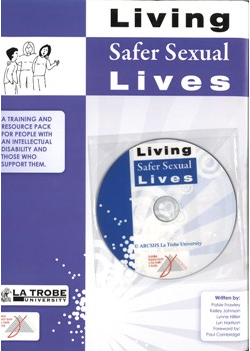
Living Safer Sexual Lives- Training Pack

Living Safer Sexual Lives is a training pack available for purchase ($57.23) for those of you who may be doing training on human sexuality and disabilities.  I have not personally used their materials, but it was developed in a very interesting way and it’s not very expensive so I thought I’d pass it along.  A research group in Australia interviewed several people with intellectual disability about their sexual lives and then used their stories to develop this training.  The training is targeted toward parents, professionals, and self advocates.  The training pack has three parts: introduction, training, and resources (including a DVD of people with intellectual disability telling their stories).

You can read the full report which outlines the findings from the interviews and how they used the interviews to shape the training.  The report also includes accounts from people with disabilities about their sexuality.

The key themes that emerged from the stories were:

  • Diversity and similarity. Diversity within the lives of the story-tellers and similarities between needs and desires of this group and other adults.
  • The issues of rights and sexuality.
  • The hidden nature of people’s sexual lives.
  • Celebration of sexuality and relationships.
  • Gender issues.
  • Loneliness and rejection.

Impact: A Newsletter

A workshop participant put me in touch with this awesome resource (thanks Cate!).  Impact is a newsletter from the University of Minnesota’s Institute on Community Integration which is part of their Center for Excellence in Developmental Disabilities.  They have many products and services that you may find useful (many of which are available online or at little cost).  Their newsletters contain ” strategies, research, and success stories in specific focus areas related to persons with intellectual, developmental, and other disabilities. ”

The sexuality issue has several interesting articles written by individuals with disabilities, service providers, family, and community members.  In addition to the articles, the newsletter provides information about additional resources in several areas: education, parent support, advocacy, sexual health, and sexual safety.

The story in Impact that touched me the most was one about two men who were harshly punished for their love for one another while institutionalized but were finally able to be married.  Once they were both living in group homes and reunited…”they decided they would not live together, they would not have sex, until they were married.  They had been punished so often, told continuously that they were dirty, sinful, hateful creatures, that they needed to get married ‘liked other people.'”  Dave Hingsburger* commented “How we hate the hearts of people with disabilities!  We have caged their bodies, disfigured their genitals, drugged their thoughts.  But we have never, ever captured their hearts or controlled their spirits.”

*The link in the text is to Dave Hingsburger’s blog.  He is the author of several resources for teaching human sexuality and abuse prevention to individuals with intellectual and developmental disabilities.  The resources can be found at Diverse City Press.

Free Curriculum and Parent Resources

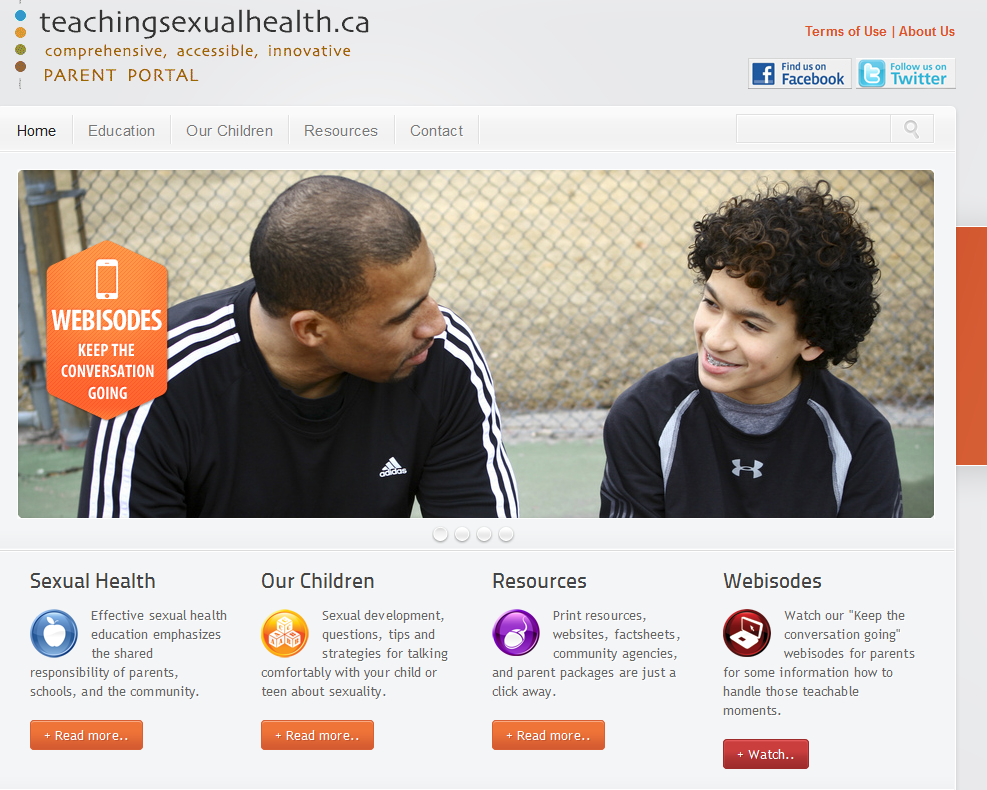
A lot of the curriculum we used for the puberty unit of our Human Sexuality 101 group was adapted from “Teaching Sexual Health“.  They are a group out of Canada that provides support for teachers and parents.  I used their general curriculum but they also have a curriculum for students of differing ability levels.  They have great resources for parents including “webisodes” that give examples of parents talking to kids about sexuality topics.  The website is very well organized and easy to use!

Image