Facilitated Sex

What is facilitated sex?  This brief video explains what facilitated sexual activity is and some of the considerations.

Dr. Mitchel Tepper is an expert in the area of sexual health, disabilities, and medical conditions with a specific focus on physical disabilities.  His website can connect you with a lot of great information (I especially like his blog).

Some things to keep in mind about facilitated sex…

  • Facilitated sex is a continuum.  Dr. Sarah Earle suggests it might include providing sex education, fostering an environment that allows intimacy, the procurement of sexual goods,  and arranging for paid-for sexual services.
  • Many individuals with disabilities would be unable to participate in many parts of sexual expression without some level of facilitation.
  • It’s not that abuse and victimization aren’t concerns- they are!  It is also important to consider how to support individuals with exploring sexual pleasure and sexual facilitation is part of that picture.

Program Development Associates Online Store

This online store features 33 dvd based resources for teaching human sexuality to individuals with intellectual disability.  They have resources for…

  • All age ranges
  • Boys and girls
  • Nurses
  • Advocates

Prices range from $35.00 to $250.00 with everything in between.  This could be a great place to find what you need.

YAI Online Resource Center

YAI is a agency out of New York that has a relationship video series I really like.  They also have developed a determining sexual consent manual (which you can get through their online resource center).

Unfortunately, this is not a free service, but as far as somethings go, it’s not too bad.  For $150 a year you can buy membership to the YAI’s online resource center.  You then get to download tons of materials.  They have a lot on relationships and sexuality.  Some of it is geared toward staff/educator preparedness but they also have lesson plans.  Many of the items are available to purchase separately without buying membership to the resource center (and other items, like the relationship videos, aren’t available to download).

You can check out some of the resources available during a free trial.

Sexual Abuse Self Protection Resources

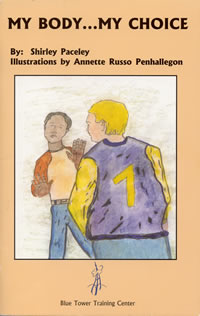
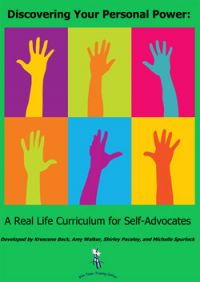
Shirley Paceley is based out of Blue Tower Training in Decatur, Illinois.  She has been working with individuals with developmental disabilities for over 30 years and has specific expertise in abuse prevention and intervention.  She is available to do trainings and consultations.

Check out this online store for books and resources developed by Shirley and others for teaching about sexuality and sexual abuse prevention.

Sexual Health- Pelvic Exams

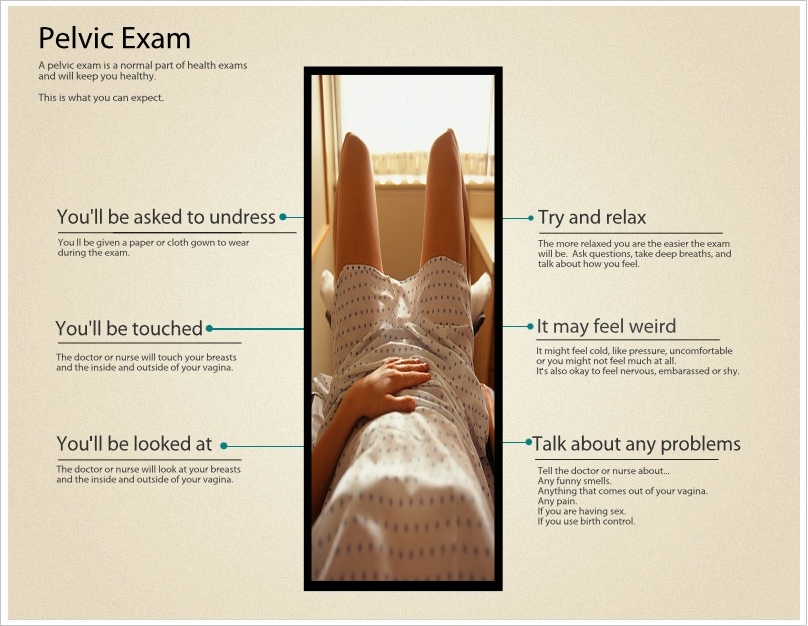
Many women with development disabilities are under anesthesia during pelvic exams or don’t get them at all (or as recommended).  However, educating about pelvic exams may be an important part of teaching sexual health.  I’ve included the link to a video that may help.

This is a brief video that goes through the basic procedure of a woman having a pelvic exam.  This could also be a good video for teaching about female anatomy.  It has a lot of technical terminology but it also moves nice and slow.

Dave Hingsburger- Blogger, Advocate, Educator

For those you how enjoy following blogs, and especially for those of you who enjoy blogs that feature individuals with disabilities, and particularly if you would like to read more about disability and sexuality- this blog is for you.

Dave Hingsburger is behind many of the resources from Diverse City Press such as Handmade Love/Finger Tips (masturbation education), No How (abuse prevention), and Undercover Dick (condom use).  He also has written several books such as The Key (supporting individuals with disabilities who are also sexual offenders), R: The R Word (bullying self-advocacy), and Just Say Know (victimization).  This is not an exhaustive list, but it gives you an idea.

Enjoy!

Making Visuals

There are many different ways to make visuals: cut and paste from magazines, jot down words and images, use Boardmaker, use power point…

For each method there are different pros and cons and a lot can be said for something that’s just plain easy to use.  I also don’t think there’s anything wrong with a visual that has been made quickly- if it gets the message across, it doesn’t have to look nice.

But sometimes it is important for for a visual to be ascetically pleasing- and I wanted to share a free tool that’s available for making infographics (what marketers and advertisers call visual supports).  It’s not particularly easy to use and it takes more time, but in the end you have a nice looking product.  I would use this I wanted to make something I could use over and over (it’s worth the time) or if I was working with someone who thinks my regular visuals are “babyish”.  You have to be careful about resisting the temptation to over clutter.  There are several different generators, but for no cost, this one has the most flexibility and is relatively easy to use.  http://www.easel.ly/

This visual goes along with the “What Should I do?” exercise we did during the workshop.  You can download this visual as a PDF.

Human Sexuality 101- Reproduction

My favorite comment from this session was, “Can we stop working on the worksheet for a minute? I just really want to listen!”  We based the lesson the Nova’sLife’s Greatest Miracle” (you can stream for free or buy the DVD for $20).  We covered the material in one session but didn’t have time for the breakout groups and we went over our allotted time.  We could have easily split it up into two sessions.  The video is very well done and contains a lot of good information.  We had the students fill out a worksheet to help them key into important points and break down euphemisms.  It’s amazing how much they are learning but also what is slipping by.  For example, as we’re watching the sperm and the egg meet I asked, “Is this happening inside the man’s body or inside the woman’s body?” and they didn’t really have any idea.

For the parent component of the session, we manly focused on two questions. 1) What do you think about preemptive birth control? and 2) What are your hopes and fears about your child becoming a parent in the future.  Unfortunately, these are some of those questions without any easy answers.

Download the materials…

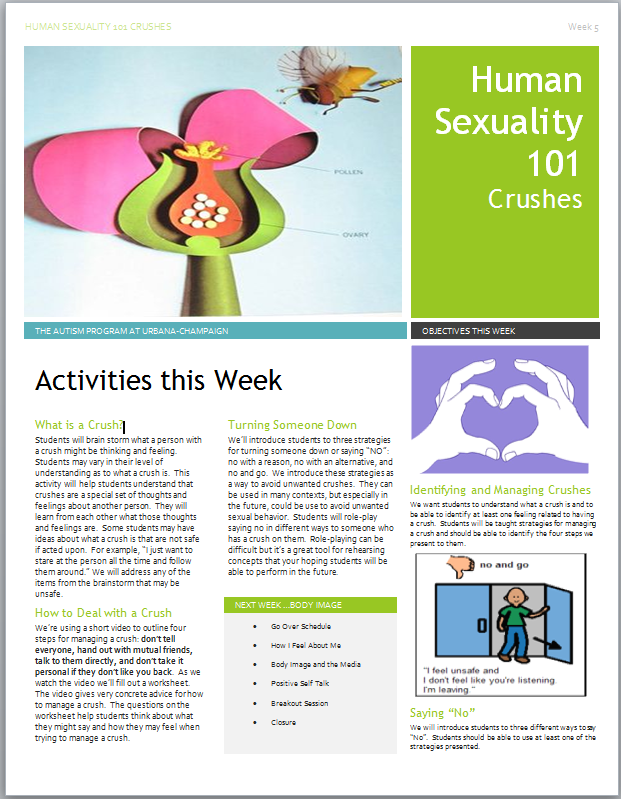
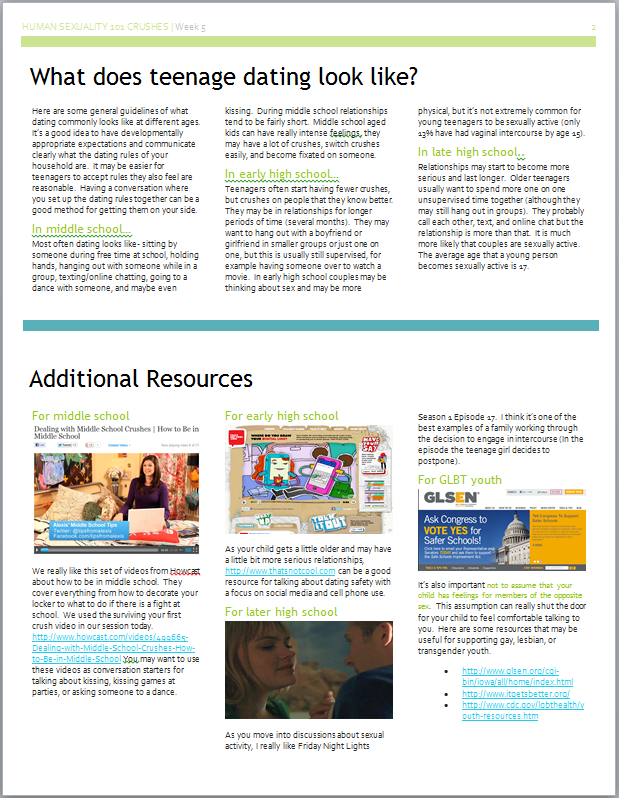
Human Sexuality 101 Week 5- Crushes

This topic generated a lot of good discussion.  Our group was a little distracted today (maybe because we had a week break).  For next week we’re going to try a few different classroom management strategies so we can try to spend more time focused.  We’re going to simplify the rights and the responsibilities and give them 3 rules (no talking when I’m talking, no hitting, and no mean comments).  We’ll also use a visual stop sign for if the group gets out of control.  I’ll keep you posted how it goes!  Having said that, despite distractions, I’m confident the group did learn a few things about crushes.

Activities this week…

What is a crush?

Students brainstormed what a person with a crush might be thinking and feeling.  Students varied in their level of understanding as to what a crush is.  This activity helped students understand that crushes are a special set of thoughts and feelings about another person.  They will learned from each other what those thoughts and feelings are.  None of the students in our group expressed ideas about what a crush is that would not be safe if acted upon (I was thinking someone might say something like, “I just want to stare at the person all the time and follow them around.”) We were ready to address any of the items from the brainstorm that were unsafe.   In later discussion we labeled some ideas as unsafe.

How to deal with a crush

We’re used a short video to outline four steps for managing a crush: don’t tell everyone, hang out with mutual friends, talk to them directly, and don’t take it personal if they don’t like you back.  As we watched the video we filled out a worksheet.  The video gives very concrete advice for how to manage a crush.  The questions on the worksheet helped students think about what they might say and how they may feel when trying to manage a crush.

This is where they got a little distracted.  In the future, I would shorten the worksheet so there is only one question per tip.  I would maybe have them work on answering the questions with a partner, then sharing with the group.

Turning someone down

We introduced students to three strategies for turning someone down or saying “NO”: no with a reason, no with an alternative, and no and go.  We introduced these strategies as a way to avoid unwanted crushes.  They can be used in many contexts, but especially in the future, could be use to avoid unwanted sexual behavior.  Students role-played saying no in different ways to someone who has a crush on them.  The role-plays worked really well!  Role-playing can be difficult but it’s a great tool for rehearsing concepts that your hoping students will be able to perform in the future. 

Materials for this week

Human Sexuality Week 6- Body Image

This week, we focused on body image.  This was probably the most difficult concept for students to grasp so far.  In other weeks we’ve focused more on content but this week was more about self expression and they could connect the expression components, however, they really struggled with what exactly body image is and their own self awareness.  For some of the students thinking about body image melted into feelings of self worth.  The strategy we introduced, positive self talk, was also difficult for them to understand.

Activities this week…

What is Body Image? We’re used a pretty simple definition of body image: how you think and feel about your body and appearance.  This definition highlights the cognitive and affective components of body image.

How I Feel About My Body  For this activity we asked students to write down how they feel about their body.  We then collected all the responses, redistributed them, and read them out loud.  This activity allowed students to express their feelings about body image.  It also exposed them to the thoughts and feelings of others.  For the most part students in our group expressed feeling good about their bodies.

Positive Self-Talk  We introduced positive self-talk as a strategy for managing negative ideations about body image.  Each member of the group practiced positive self-talk by using affirmation statements in the mirror.  This was very difficult for some students, even with the scripts.  This may be because they didn’t understand the “why” behind the activity.  This activity exposed them to a strategy for promoting a healthy body image and gave students an opportunity to practice that strategy.

Role Play  Because we know that often, negative thoughts and feelings about body image occur while we are with groups of people, we role played using positive self-talk when in a group.  This was essentially an extension of the previous activity but we made the task slightly more difficult.

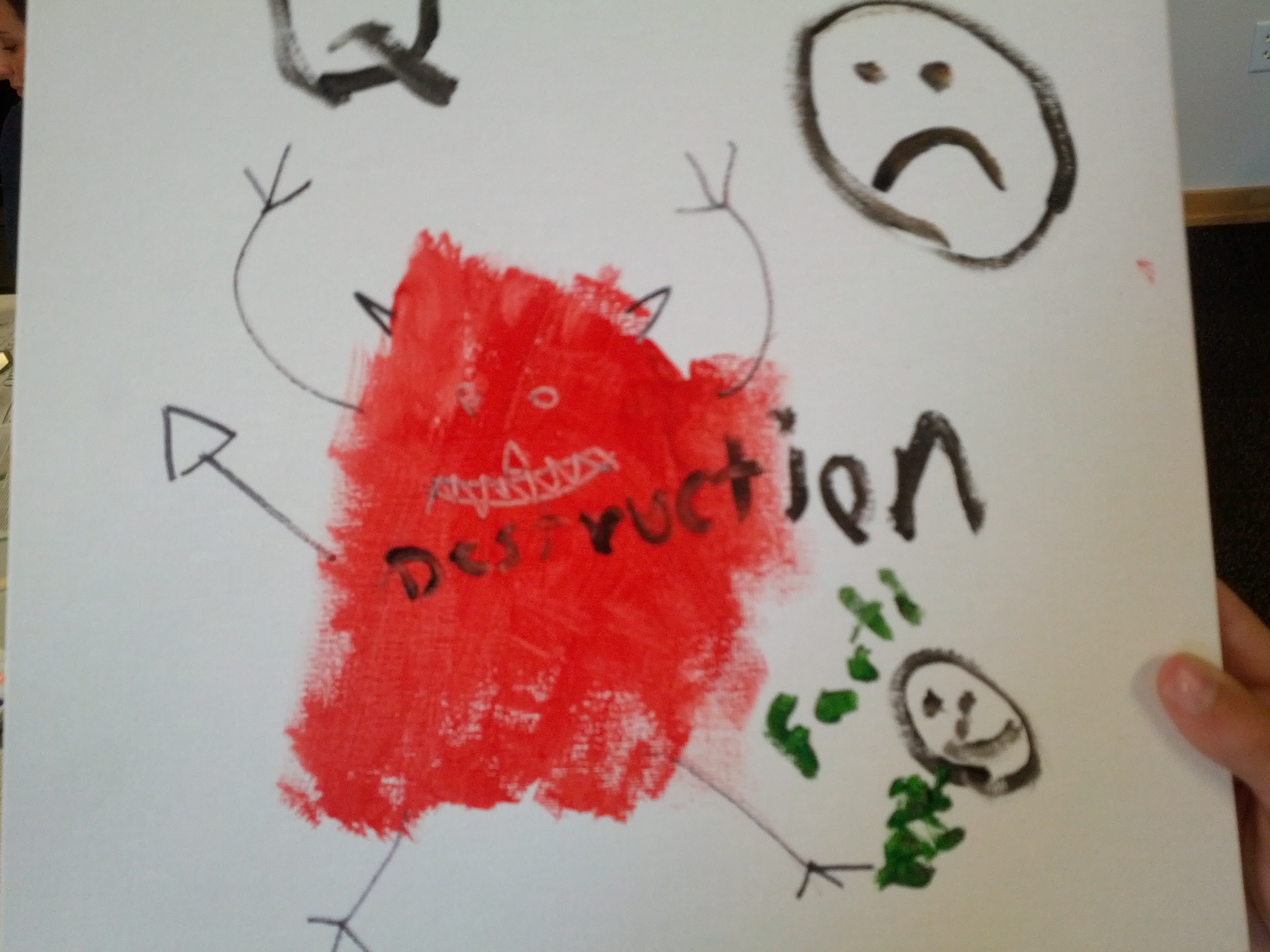
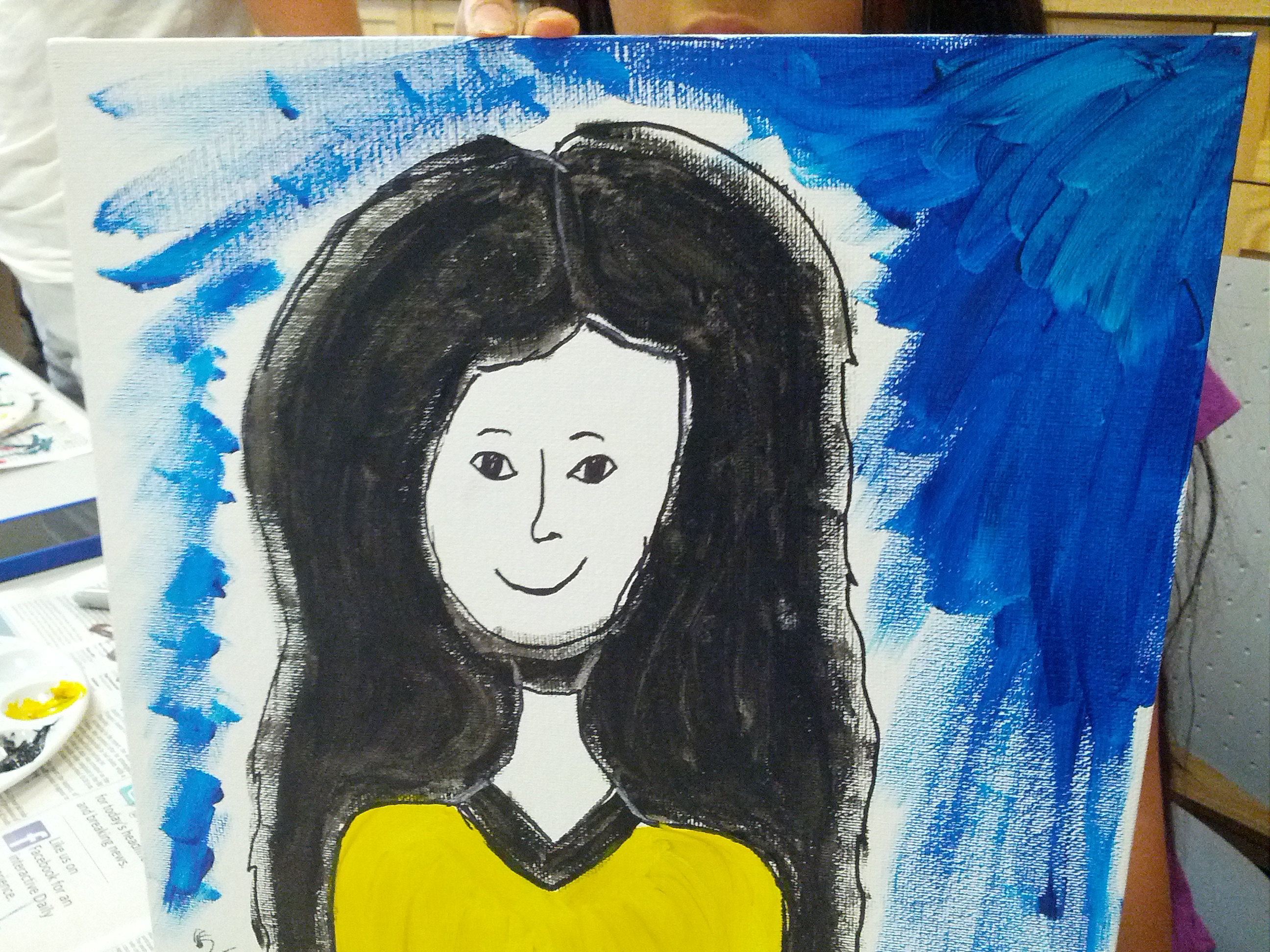
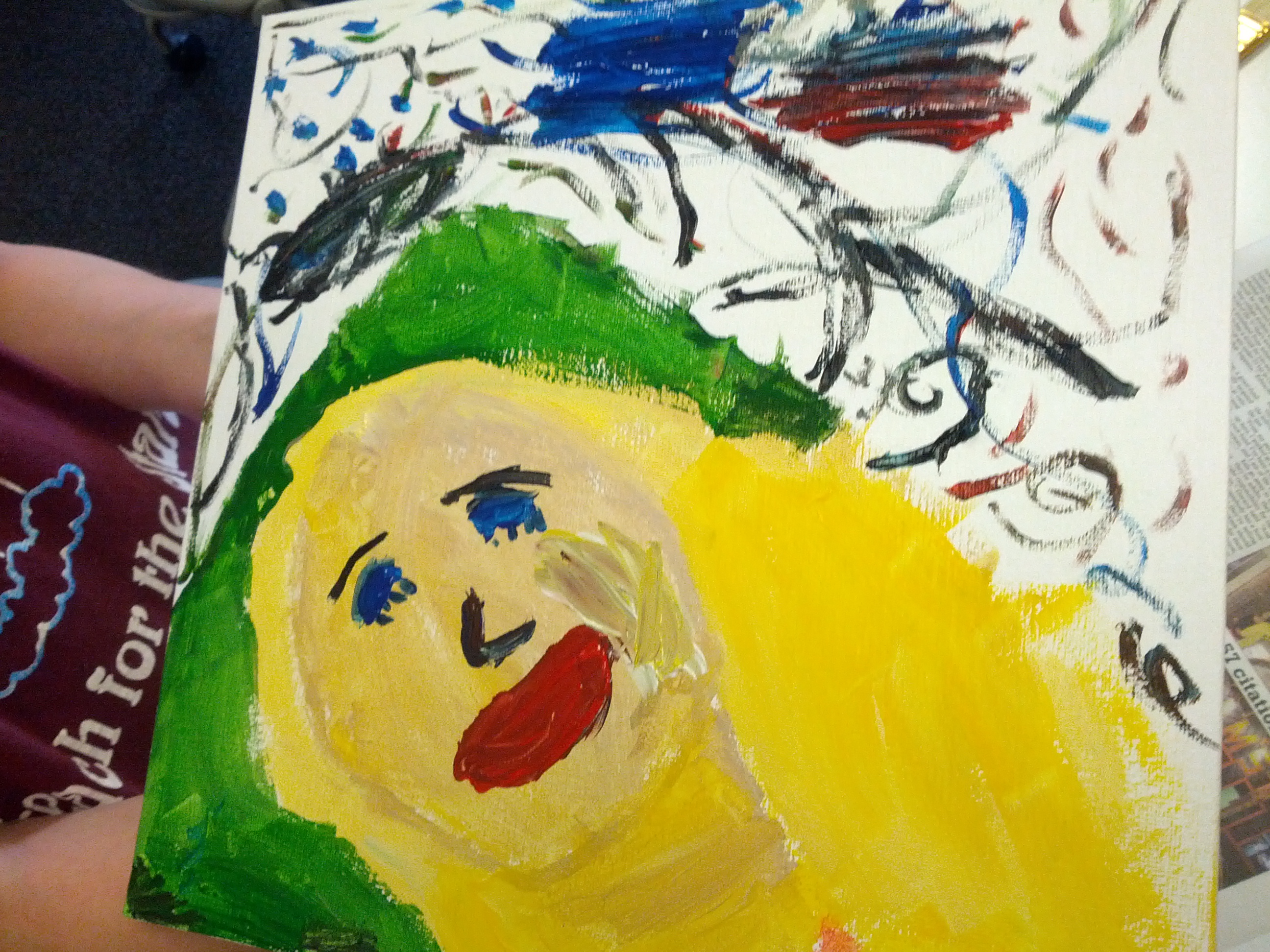
Self-Portraits  Body image is one of those topics that is not just about learning facts but mostly about self-awareness and self-expression.  In addition to teaching some concrete strategies for promoting positive body image, we also wanted to provide opportunities to explore thoughts and feelings about appearance.  The self-portraits were another strategy for helping students explore their thoughts and feelings about body image.  For the most part, the kids were really excited about this activity.  We promoted trying to reflect a positive self image, but this didn’t come naturally to all the students.  We also wanted to make sure we respected the right for students to express their genuine emotions.   

Just a note on classroom management.  Distractions were down with the implementation of our simple rights and responsibilities, more firm “nos” and the stop sign.  We did have one student who had a hard time because they had to wait until next week to take the pictures home so the paint could dry.  This is something to anticipate for the future.

Materials for this week…

Human Sexuality Week 7- Hygiene

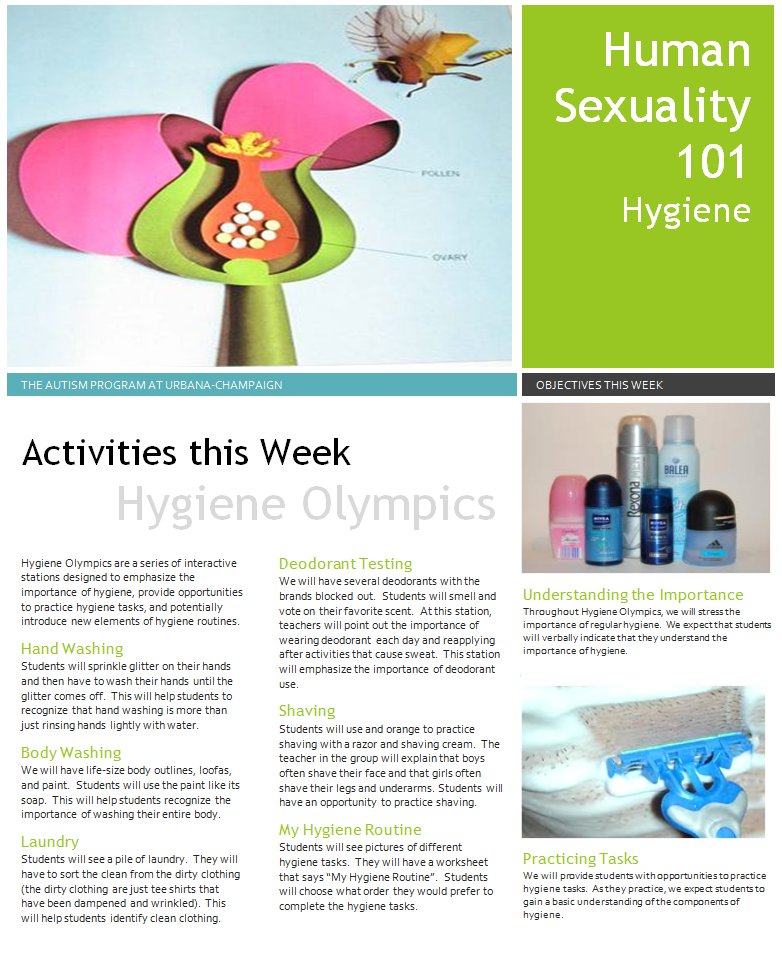
Hygiene is not on the SEICUS guidelines for what to teach in a human sexuality class, but we find that it can be a hard topic for students.  It also is strongly connected to puberty because it is during puberty that hygiene needs change at the same time young people have more autonomy and responsibility for their hygiene.  We tackled hygiene with a series of activities we called hygiene Olympics.  In small groups, students moved throughout the stations to practice and contemplate hygiene tasks.

  • Hand washing: Students rubbed glitter mixed with lotion on their hands and then had to wash their hands until the glitter came off.  This will helped students to recognize that hand washing is more than just rinsing hands lightly with water.
  • Body washing: We will had life-size body outlines, loofas, and paint.  Students used the paint like it was soap.  This helped students recognize the importance of washing their entire body.
  • Laundry: Students saw a pile of laundry.  They then sorted the clean from the dirty clothing (the dirty clothing are just tee shirts that have been dampened and wrinkled).  The helped students identify clean clothing.
  • Shaving: Students used an orange to practice shaving with a razor and shaving cream.  The teacher in the group explained that boys often shave their face and that girls often shave their legs and underarms. Students had an opportunity to practice shaving. 
  • Deodorant testing: We had several deodorants with the brands blocked out.  Students smelled and voted on their favorite scent.  At this station, teachers  pointed out the importance of wearing deodorant each day and reapplying after activities that cause sweat.  This station emphasized the importance of deodorant use. 
  • My Hygiene Routine: Students saw pictures of different hygiene tasks.  They also had a worksheet that said “My Hygiene Routine.” Students chose what order they would prefer to complete the hygiene tasks.  This activity provided students with control and choice while also committing them to completing the necessary tasks.

Materials for this week

Human Sexuality 101 Week 8: Wrap Up and Review

For the final session of Human Sexuality 101 we reviewed what we learned during the class.  Overall, students seemed to enjoy the class and learn something.  The students also seemed to like each other.  Sexuality is a social topic, so I was excited that students were able to share and connect throughout the class.

Activities

Vote with Your Feet:  We printed ‘true’ and ‘false’ on sheets on the opposite sides of the room.  When presented with true/false statements, participants chose the correct response.  We specifically chose items that we knew were difficult for students.  Then we switched to agree/disagree.  This allowed us to touch upon the difference between facts and opinions.  We also had students make their own statements.  They did a great job.

Booklets:  We passed out booklets to the participants that reviewed all the information we covered and had additional activities for them to do at home. We did complete an evaluation, but I don’t think it was very successful.  I’d consider the evaluation to still be “under construction.”

Materials

Social Signals- Curriculum

Social Signals ($159.oo) is a series of  videos and curriculum are designed to teach adolescent students with autism and intellectual disability about safe relationship skills.  There is also a parent curriculum for $23.99.  They have a sample video and lesson available for free so you can preview before you purchase.  I liked the video.  I like to teach about expected and unexpected behaviors and I think these videos could be a good tool.  There are also sample lessons that accompany the videos.

Planning and Structuring a Presentation/Class/Activity/Lesson

I know a lot of you already do a lot of lesson planning, but when you’re new, it can be a little difficult figuring out where to start.  Here are step by step instructions for lesson planning as well as a lesson plan template.  To see examples of some of my lesson plans click here, here, or here.  You may not need to be so structured every time, but it helps in the beginning.  It also good to have a series of documents that you revise so you’re not re-inventing the wheel every time.

Step1: Topic

What do I want to make sure that I have time to talk about?  What are the most important issues for me to cover?

Step 2: Audience

Who is my audience?  What adaptations will they need?  How long is their attention span per activity?  Will I need to adjust the room?

Step 3: Goals & Objectives

What are my objectives?  What do I hope participants will learn?  (More than two or three goals and objectives may be unreasonable)

Step 4:  Lesson Plan

Write the outline for your presentation and allot estimated time to each segment.  Consider potential activates: focus writing, videos, lectures, questionnaires, stem sentences, drawing/art, responding to pictures, matching, sequencing, pro/con lists, continuums, attitude assessments, ice breakers, guided imagery, journals, role plays, case studies, stories/media, brainstorming, creating teaching materials, building models, myth/fact sheets, self assessments, thought bubbles and small groups (this is not an exhaustive list). Whatever you choose (1) make sure there is some variation (2) build your activities from more structured to less structured, (3) warm up your participants for sensitive topics, (4) and allow for participation through multiple modalities.  You will probably run out of time so schedule the least important things last or know exactly what time you have to cut earlier activities off. It’s good to either over plan or have a few tricks up your sleeve in case one of your activities bomb or you run out of time.

Step 5: Practice and Coordinate

Practice and, if working with a partner, delegate facilitation responsibilities.  Is the time frame realistic?  Do I understand each activity?  What can I cut if necessary?

Step 6:  Materials

Gather any materials you will need.  This list would include handouts, visual aids, flip chart, materials you’ve developed, ect.

Step 7: Arrive Early  

Anatomical Models and Drawings

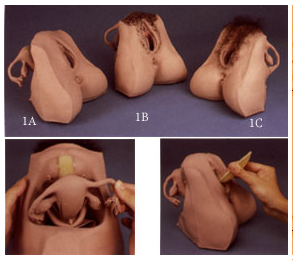
These models are from http://jimjacksonanatomymodels.com/ It can be a little difficult to find the kind of anatomical model that you want for a sexual education class.  I’ve used these models and I think they are very instructive.  They are realistic so it may not be appropriate for all audiences but a lot of folks need things this concrete.  If you’re teaching condom use, make sure to use vinyl condoms (latex condoms can hurt the models).  The cost of the models ranges from $180 – $660 depending on what you’re getting.  It’s an investment, but a great teaching tool. WebMD has nice anatomical line drawings that are okay to print for free. http://www.medscape.com/features/ald/repro Once you get into color photos, they usually ask you to pay.  You can probably find some on the internet that don’t have water marks (like on webmd or mayo clinic ) but they are usually copyrighted. This site will give you a lot of options available for purchase http://www.fotosearch.com/photos-images/reproductive-system.html  This site has more medically technical options (they also have online interactive models, but those are pretty technical too).  http://catalog.nucleusinc.com/generateexhibit.php?ID=9591